

Table of Contents
- What Traditional Values Mean in Modern Retail
- How Traditional Values Build Consumer Trust and Brand Reputation
- The Importance of Family-Owned Business in a Values-Driven Market
- Values-Based Consumerism: Why Customers Choose Alignment Over Convenience
- Customer Loyalty and Brand Values: The Economic Case for Authenticity
- Tradition vs. Disruption: How Retailers Balance Heritage with Innovation
- Bringing Traditional Values to Life Across Your Retail Experience
- Frequently Asked Questions
Last Updated: September 1, 2026
What Traditional Values Mean in Modern Retail
Traditional values in retail aren't about nostalgia or resisting change. They're about building business on a foundation that customers recognize and trust. At Rack & Ridge, we understand that why traditional values matter in retail comes down to one core principle: authenticity that translates into lasting relationships.
When we talk about traditional values in retail, we're describing a commitment to quality, integrity, and genuine connection with customers. These aren't abstract concepts, they're operational choices that show up in product selection, customer service, and how a brand communicates with its community. A retailer rooted in traditional values prioritizes durability over trends, family connection over transaction volume, and honest representation over marketing manipulation.
The shift toward values-based consumerism reflects something fundamental: customers are tired of feeling like transaction numbers. They want to know the people behind the brand, understand the reasoning behind product choices, and feel confident that their money supports businesses aligned with their own beliefs. This is where traditional values matter most. They provide the framework for consistent decision-making that builds trust over time.
How Traditional Values Build Consumer Trust and Brand Reputation
Trust doesn't happen because of a slick website or a catchy tagline. It builds through consistency, transparency, and demonstrated commitment to principles that matter beyond profit margins.
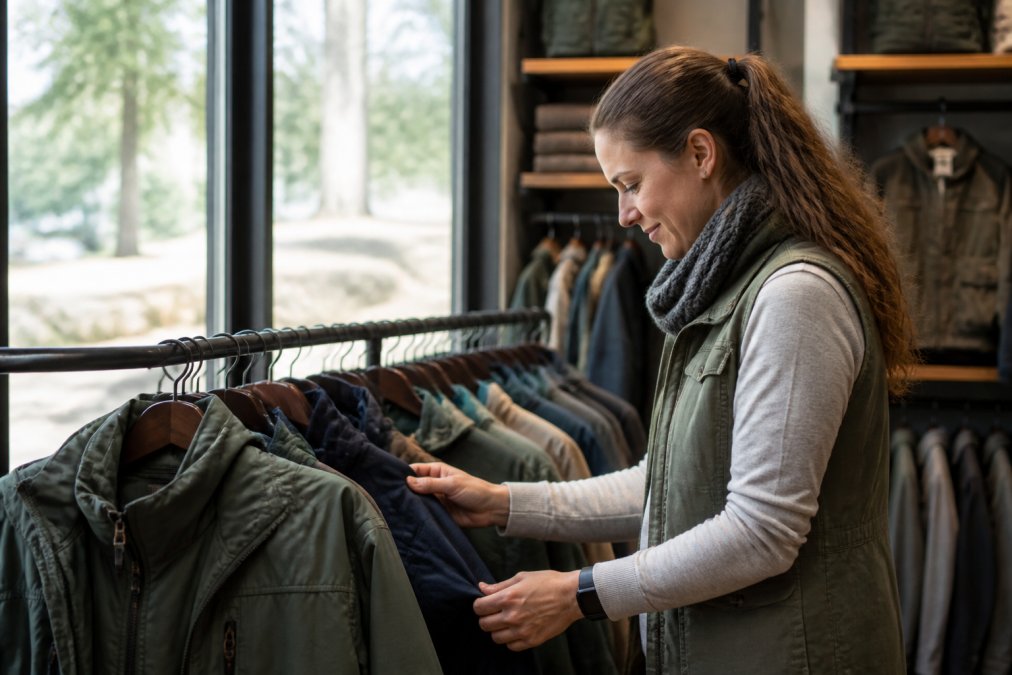
When a retailer operates from traditional values, customers notice patterns. They see that product recommendations prioritize function over margin. They observe that customer service treats complaints as opportunities to strengthen relationships rather than problems to minimize. They recognize that the brand's messaging matches its actual business practices. These patterns accumulate into something powerful: a reputation that survives market fluctuations and competitive pressure.
Consumer trust and brand reputation are inseparable in values-driven retail. A brand built on family ownership or faith-based principles isn't just marketing, it's a commitment structure. When customers know that decisions flow through a family business, they understand that short-term profit isn't the only metric. When they know a brand prioritizes ethical standards, they trust that corners won't be cut on product quality or customer treatment.
The economic advantage is real. Customers willing to pay premium prices for alignment with their values aren't price-shopping, they're investing in brands they believe in. That means higher margins, lower churn, and more predictable revenue. It also means customers become advocates. They don't just buy; they recommend, defend the brand against criticism, and stick around through product variations or temporary setbacks.
The Importance of Family-Owned Business in a Values-Driven Market
Family-owned businesses operate under a different set of constraints and motivations than corporations optimized for quarterly earnings. That difference shows up in decisions.
The importance of family-owned business in a values-driven market stems from alignment of incentives. When the same family profits or loses based on long-term brand health, short-term compromises become less attractive. A family business can't easily dismiss customer complaints as statistical noise or sacrifice product quality to hit a quarterly target without facing the same family members at dinner who made that decision.
This doesn't mean family businesses are automatically ethical or superior. It means their decision-making structure naturally encourages longer time horizons and deeper accountability. Customers sense this difference. They understand that a family business has reputational skin in the game that extends beyond a CEO's tenure or a shareholder's portfolio.
Values-based consumerism accelerates when customers recognize this structure. They're not just buying products, they're supporting a business model they want to see succeed. For outdoor enthusiasts and families seeking authenticity in their purchases, knowing that a brand is family-owned and rooted in shared values becomes a primary decision factor, often outweighing price comparisons.
The Rack & Ridge collection exemplifies this principle. Built for the avid outdoorsman who values both function and authenticity, these products emerge from a business structure where family commitment to quality and heritage preservation directly influences every design choice.

Values-Based Consumerism: Why Customers Choose Alignment Over Convenience
Values-based consumerism represents a deliberate shift in how customers evaluate purchases. It's not about finding the cheapest option or the most convenient delivery. It's about choosing brands that reflect who they are.
This consumer behavior reflects deeper changes in what people prioritize. For Midwestern families, rural communities, and outdoor enthusiasts, values-based consumerism means seeking brands that celebrate country living, faith, and connection to the land. These customers aren't shopping for generic products, they're shopping for validation and community.
When a customer chooses Rack & Ridge over a big-box retailer, they're making a statement about what matters to them. They're choosing a curated selection of essentials that align with their lifestyle over an overwhelming inventory of undifferentiated options. They're supporting a business model that prioritizes their values over volume metrics.
The shift is measurable in customer behavior. People spend more time researching purchases, reading brand stories, and seeking confirmation that their choice aligns with their beliefs. They're willing to pay premium pricing when they trust that the premium reflects genuine quality and ethical practices rather than brand markup. They're also more likely to abandon purchases if they discover misalignment between a brand's stated values and its actual practices.
This creates opportunity for retailers willing to be genuinely values-driven rather than values-performative. Authenticity matters. Customers can distinguish between a brand that genuinely operates from traditional values and one that simply markets them. The difference determines whether customers become loyal advocates or one-time buyers.
Customer Loyalty and Brand Values: The Economic Case for Authenticity
The relationship between customer loyalty and brand values isn't sentimental, it's economic. Loyal customers cost less to retain, spend more over their lifetime, and generate more referral revenue than transactional customers (ama.org).
When customers feel genuine alignment with a brand's values, they become less price-sensitive. They're less likely to switch to competitors offering marginal discounts. They're more likely to forgive occasional product issues or service gaps because they trust the brand's intentions. They're also more likely to try new product lines from the brand, expanding lifetime value.
The math is straightforward. Acquiring a new customer through advertising costs significantly more than retaining an existing one (hbr.org). A customer motivated by values alignment requires less ongoing marketing investment because they're already convinced (peer-reviewed research). They also generate word-of-mouth referrals that reduce customer acquisition costs further. Over time, a values-driven customer base becomes a competitive advantage that scales more efficiently than a price-driven one.
This is why the importance of family-owned business and traditional values extends beyond marketing messaging into operational efficiency. A brand built on these principles can weather market disruptions, price wars, and competitive pressure because its customer base is bonded by something deeper than convenience or price.
For retailers like Rack & Ridge, this means that investment in authentic values, in curating products that genuinely serve outdoor enthusiasts and families, in maintaining family-driven decision-making, in supporting lifestyle choices centered on the land, translates directly into customer loyalty metrics that compound over time.
Tradition vs. Disruption: How Retailers Balance Heritage with Innovation
The tension between maintaining traditional values and embracing necessary innovation is real. Many retailers struggle with this balance, assuming they must choose: either preserve heritage or compete in modern markets.
The actual answer is more nuanced. Successful retailers don't abandon tradition, they translate it. They ask what underlying principle the tradition serves, then find modern applications that honor that principle.
For outdoor and lifestyle retailers, this balance is critical. Heritage in outdoor gear means durability, functionality, and respect for the environment. Innovation in this space means new materials that perform better, supply chain improvements that reduce waste, and technology that enhances the outdoor experience. These aren't contradictions, they're evolution of the same values.
The mistake many retailers make is confusing disruption with progress. Not every new trend serves customer values. Not every technology improves the experience. Tradition vs. disruption becomes a false choice when retailers clearly understand what they're trying to preserve and why.
Rack & Ridge navigates this through its outdoor collection, maintaining heritage-rooted product selection while expanding offerings that serve evolving customer needs. The brand doesn't abandon what made it trusted; it extends those principles into new categories and channels.
This approach resonates with values-driven customers precisely because it respects their intelligence. They're not looking for a museum, they're looking for a business that honors its principles while remaining relevant. A family-owned retailer that updates its supply chain, improves its online experience, and adds new products that serve its core audience isn't betraying tradition. It's practicing it.
Bringing Traditional Values to Life Across Your Retail Experience
Traditional values matter most when they're visible in every customer touchpoint. This is where many retailers fail, they state their values but don't embed them into operations, product selection, customer service, and physical or digital environments.
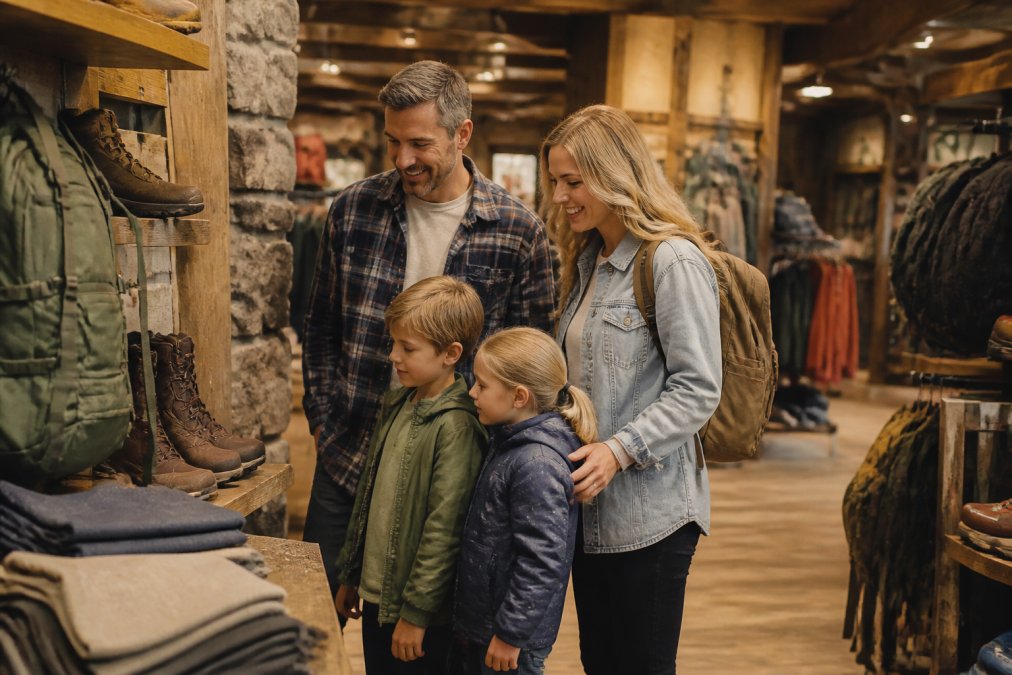
Translating values into experience requires intentional design across multiple dimensions. Product curation should reflect values, selecting items that serve genuine customer needs rather than maximizing margin on trendy items. Customer service should embody values, treating every interaction as an opportunity to strengthen relationships. Physical and digital environments should communicate values, through design choices, messaging, and the overall atmosphere.
For retailers serving outdoor enthusiasts and families, this means stocking gear that actually performs in the field, not just looks good in photos. It means hiring team members who understand the lifestyle and can speak authentically about products. It means creating spaces, online and offline, that feel welcoming to the communities you serve rather than intimidating or exclusive.
The Rack & Ridge collection demonstrates this principle through product design. Each item is built for actual use in the field, not as fashion. The messaging doesn't exaggerate or mislead, it speaks directly to people who understand what "built for the backwoods" means. The Speckled Ceramic Mug ($19.19) and Rack & Ridge 32 oz. Backwoods Tumbler ($50.40) aren't premium-priced because of branding; they're priced to reflect genuine quality and functionality that outdoor enthusiasts recognize and value.

Bringing traditional values to life also means consistency across channels. An omnichannel retail experience rooted in values means a customer gets the same quality, same principles, and same level of authenticity whether they're shopping in person, online, or through email. This consistency builds trust faster than any marketing campaign.
| Touchpoint | Value Expression | Implementation |
|---|---|---|
| Product Selection | Quality over trends | Curate items that serve actual needs |
| Customer Service | Relationship building | Treat every interaction as trust-building |
| Physical/Digital Environment | Authenticity | Design reflects community values |
| Messaging | Honesty | Communicate genuine benefits, not hype |
| Pricing | Fair value | Price reflects quality, not artificial scarcity |
Traditional values matter in retail because they solve a customer problem that price and convenience alone cannot address: the need to feel aligned with the businesses they support. In a market flooded with options, customers increasingly choose based on whether a brand's principles match their own.
For retailers willing to genuinely operate from these principles, not just market them, the payoff is substantial. Customer loyalty deepens, word-of-mouth referrals increase, and competitive pressure becomes less threatening because the customer relationship is built on something deeper than transactional convenience.
Rack & Ridge serves this market by maintaining authentic commitment to country living, faith-based values, and outdoor heritage through a focused outdoor collection. The brand's curated selection reflects genuine alignment with customer values rather than generic retail optimization.
Join our email list to stay updated on new products and stories that celebrate your values and your connection to the outdoors. When you shop with a brand rooted in traditional values, you're not just buying products, you're supporting a business model that prioritizes authenticity, quality, and genuine community connection over quarterly metrics and trend-chasing.
Frequently Asked Questions
Q: What are examples of traditional values in retail?
A: Traditional values in retail include moral integrity, family-centered decision-making, authenticity, community engagement, and respect for heritage. For outdoor retailers, this means honest product descriptions, durable goods built to last, and transparent sourcing. Faith-based principles, local community support, and multi-generational family ownership are also core examples that resonate with rural and Midwestern consumers.
Q: How do traditional values influence consumer purchasing decisions?
A: Consumers increasingly align purchases with personal beliefs. When a brand demonstrates moral integrity and cultural identity alignment, customers develop stronger loyalty and are willing to pay premium prices. For outdoor enthusiasts and rural families, choosing brands that respect the land and prioritize durability over fast fashion creates a sense of belonging and shared purpose that purely transactional retailers cannot match.
Q: Why do customers prefer brands that align with their personal values?
A: Alignment creates authenticity and trust. When a brand's values match a customer's worldview, whether faith-based, environmentally conscious, or family-oriented, the customer feels understood and supported. This emotional connection transforms purchasing from a transaction into a relationship. Customers become brand advocates who recommend products to friends and family. For values-driven consumers, especially in rural communities, this alignment signals that the company respects their lifestyle and won't compromise on quality or ethical standards for profit.
Q: Can family-owned businesses compete with large retailers on values?
A: Yes, and increasingly they have a distinct advantage. Family-owned businesses have deeper community roots, longer-term thinking, and authentic heritage stories that large corporations struggle to replicate. Consumers recognize genuine family ownership and reward it with loyalty. Family businesses can also personalize customer experiences and make decisions based on values rather than quarterly earnings. This authenticity is especially powerful for outdoor and rural markets, where multi-generational trust and proven track records matter more than marketing budgets.
This article was written using GrandRanker