

Table of Contents
- What Makes Family Brands Different
- Real Brand Equity Built on Reputation, Not Marketing Spend
- Why Supporting Small Family Businesses Matters
- Values-Based Consumerism: Aligning Your Purchases With Your Beliefs
- Quality and Durability You Can Trust
- Finding a Rackandriveroutdoors Alternative for Outdoor Gear
- Customer Loyalty Built on Authenticity
Last Updated: August 24, 2026
What Makes Family Brands Different
Family brands operate on a fundamentally different model than corporate chains. They're built on relationships, not transactions. When you buy from a family business, you're supporting people who have skin in the game, their reputation, their livelihood, their legacy all depend on your satisfaction.
The difference shows up immediately. A family brand doesn't have quarterly earnings targets pushing it to cut corners. There's no pressure to maximize shareholder value at the expense of product quality. Instead, there's a direct line between how well a product performs and whether the family stays in business. That alignment matters.
Consider what happens when something goes wrong. With a massive corporation, you're a ticket number. With a family brand, you're a customer they know. The owner's name is often on the door. That creates accountability that no customer service script can replicate. Many small family businesses will go out of their way to make things right because their reputation is their entire business model.
This is where benefits of buying from family brands become tangible. You're not just purchasing a product, you're entering into a relationship with people who care about the outcome. That's why family brands often have fiercely loyal customers who stick with them for decades. The trust is earned through consistent delivery, not earned through marketing spend.
Real Brand Equity Built on Reputation, Not Marketing Spend
Brand equity for family businesses works differently than it does for corporations. A family brand can't outspend competitors on advertising. Instead, it builds equity through authenticity and word-of-mouth reputation. That's actually a competitive advantage, not a limitation.
When a family brand says something, people believe it. Why? Because they've seen the owner at the farmer's market, or their neighbor swears by the product, or they've watched the business survive recessions by staying true to its values. That kind of equity can't be manufactured through ad campaigns.
The benefits of buying from family brands include this trust factor. You know the product reflects someone's actual beliefs, not a corporate positioning statement. If a family brand claims their outdoor gear is built to last, they mean it, because they're the ones who'll hear about it if it fails. That's not cynicism; it's just how incentives work.
Real brand equity also means consistency. Family businesses don't pivot every quarter chasing trends. They stay focused on what they do well. That consistency builds confidence. Customers know what to expect. They know the quality won't suddenly drop because a new CFO decided to cut costs.
This reputation-based equity is also resilient. When economic conditions tighten, family brands often retain customers because the relationship goes deeper than price. People choose to support them even when cheaper alternatives exist. That loyalty is worth more than any marketing campaign.
Why Supporting Small Family Businesses Matters
Supporting small family businesses isn't sentimental, it's practical economics. When you spend money at a family business, more of it stays in your community. The owner doesn't send profits to a distant headquarters. They reinvest locally, hire locally, and spend their income locally.
Family businesses also tend to be more responsive to community needs. They see problems firsthand and solve them. They sponsor local teams, support community events, and contribute to the places where they operate. That's not charity, it's how they're embedded in the fabric of their communities.
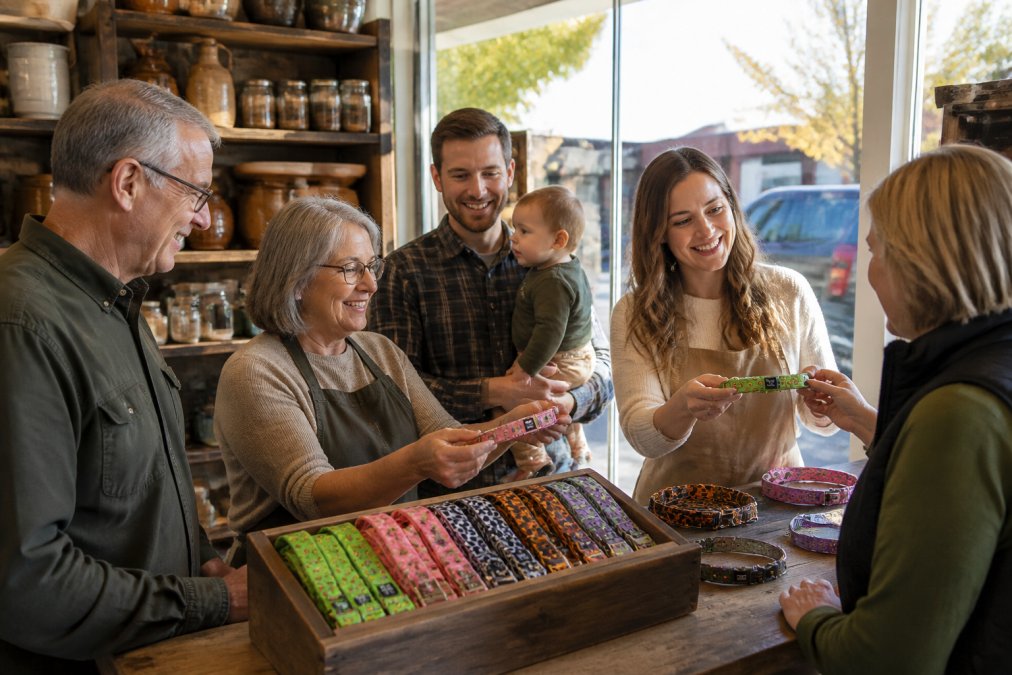
The benefits of buying from family brands extend beyond the individual purchase. You're supporting a business model that creates jobs, builds community, and operates with different values than corporate chains. When a family brand succeeds, the success is shared locally, with employees, suppliers, and the community itself.
There's also an intangible benefit: you're voting with your wallet for a different kind of economy. Every purchase signals that you value quality, authenticity, and local ownership. That matters. It shapes which businesses survive and grow. Communities with strong family businesses have different character, different resilience, and different economic health than those dominated by chains.
Values-Based Consumerism: Aligning Your Purchases With Your Beliefs
More people now make purchasing decisions based on values, not just price or convenience. They want their money to reflect what they believe in. That's where family brands shine.
A family brand rooted in faith and country living, for example, naturally appeals to people who share those values. The products aren't designed to appeal to everyone, they're designed for people who actually live that lifestyle. That specificity is powerful. It means the brand isn't trying to be all things to all people. It's being exactly what its customers need.
Values-based consumerism also means you can trust the brand's positioning. When a family brand says it's faith-oriented or committed to sustainable practices, you can usually verify that through the owner's actual behavior. It's not a marketing angle, it's how they operate. That authenticity is rare and valuable.
The benefits of buying from family brands include this alignment between your values and your spending. You're not supporting a corporation that says one thing in its ads while doing another in its supply chain. You're supporting people whose actions match their words. That matters to people who think about where their money goes.
This values-based approach also creates community among customers. People who buy from the same family brand often share similar values. That creates a sense of belonging that you don't get from shopping at a big-box retailer. You're part of a community, not just a customer.
Quality and Durability You Can Trust
Family brands typically compete on quality, not volume. They can't compete with massive corporations on price, so they compete on durability, craftsmanship, and attention to detail. That's a sustainable competitive advantage.
When a family business makes something, the owner's reputation is on the line. That creates incentives for quality that corporate manufacturing can't match. A family brand making outdoor apparel, for example, will obsess over seams, fabric weight, and weather resistance because they know their customers will use those products hard and report back honestly.
Durability also makes economic sense for family brands. If a product lasts longer, customers buy less frequently, which means lower volume. But those customers become loyal advocates who recommend the brand to others. That's a better business model than chasing volume with cheap products that fall apart.
The benefits of buying from family brands include this durability factor. You're not buying something designed to fail so you'll replace it soon. You're buying something built to last, which means better value over time even if the upfront cost is higher. Many family brand customers report keeping products for years or even decades.
Quality also means fewer returns and fewer headaches. A product that works as promised is worth more than a cheap product that doesn't. That's not theoretical, it's the lived experience of people who've switched from mass-market alternatives to family brands.
Finding a Rackandriveroutdoors Alternative for Outdoor Gear
If you're looking for outdoor apparel that combines quality, values alignment, and family brand authenticity, the options go beyond the obvious choices. Many people assume they need to shop at large outdoor retailers, but family brands often deliver superior quality and better value.

The key is finding a brand that actually lives the outdoor lifestyle rather than just selling it. That means looking for brands run by people who hunt, fish, and spend time in the field themselves. Those brands understand the real demands of outdoor use because they experience them firsthand.
g&s Essentials, for example, offers the Rack & Ridge outdoor collection specifically designed for people who actually spend time outdoors. The brand isn't trying to appeal to everyone, it's built for the avid outdoorsman who lives for the hunt, the water, and the next adventure. That specificity means the products solve real problems for real users.

When evaluating outdoor gear alternatives, look for brands that can explain why they made specific design choices. A family brand owner can usually tell you exactly why they chose a particular fabric weight or seam design. That knowledge comes from experience, not a focus group.
The benefits of buying from family brands for outdoor gear include this expertise and authenticity. You're buying from people who understand the demands of outdoor life because they live it. That translates into products that actually perform in the field, not just look good in photos.
Customer Loyalty Built on Authenticity
Authentic brands create loyal customers. When a brand is genuine about who it is and what it stands for, people trust it. That trust becomes loyalty that lasts decades.
Loyalty based on authenticity is different from loyalty based on habit or convenience. It's more resilient. When a customer believes in a brand's values and sees those values reflected in actual behavior, they stick with the brand through competition, economic downturns, and changing trends.
Family brands build this loyalty naturally because authenticity is built into their structure. The owner's values are embedded in product decisions, customer service, and community involvement. Customers see that alignment and respond with loyalty.
The benefits of buying from family brands include becoming part of a community of customers who share similar values. That sense of belonging creates loyalty that benefits everyone, the brand stays strong, customers get better products, and the community stays healthy.
Authentic brands also earn forgiveness that corporate brands don't. If a family brand makes a mistake, customers are more likely to give them a chance to make it right. That's because they understand the brand is run by people, not a faceless corporation. People appreciate authenticity and effort more than perfection.
When you choose to buy from family brands, you're making a choice that extends beyond the individual purchase. You're supporting a business model built on authenticity, quality, and community values. You're aligning your spending with your beliefs. You're investing in products built to last and relationships built on trust.
g&s Essentials embodies this family brand approach. The company offers curated home, lifestyle, and kitchen essentials alongside specialized outdoor collections, all designed for people who value country living, faith, and the great outdoors. Products like the Dog Collar & Leash Sets combine quality craftsmanship with genuine care for your pets, while the Speckled Ceramic Mug from Rack & Ridge captures the feeling of backwoods mornings for people who actually live that lifestyle. Join the community of customers who've discovered that buying from family brands means investing in quality, authenticity, and values that matter. Join our email list to stay connected with products and stories that celebrate your connection to the land.

| Aspect | Family Brand | Corporate Chain |
|---|---|---|
| Decision Speed | Owner-driven, values-aligned | Committee-approved, profit-focused |
| Quality Accountability | Direct, owner's reputation at stake | Distributed, no single person responsible |
| Community Reinvestment | Local spending and hiring | Profits sent to headquarters |
| Product Consistency | Stable, long-term focus | Shifts with quarterly targets |
| Customer Relationships | Personal, known connections | Transactional, script-based |
| Durability Focus | Built to last decades | Designed for replacement cycles |
External sources that support the importance of family brands and values-based consumerism:
According to Harvard Business Review's research on family business resilience, family-owned enterprises demonstrate greater long-term stability and community investment than publicly traded corporations.
Research from the National Federation of Independent Business on small business impact shows that locally-owned businesses create more jobs per dollar of revenue than national chains and retain more earnings within their communities.
The Pew Research Center's study on values-based consumer behavior found that consumers increasingly prioritize alignment between their personal values and their purchasing decisions, with particular emphasis on authenticity and local ownership.
Frequently Asked Questions
What defines a family-owned brand?
A family-owned brand is a business where the majority stake and operational control remain with family members, often across multiple generations. Unlike corporate chains, family brands typically maintain direct involvement from founders or descendants in decision-making. This ownership structure shapes everything from product selection to customer service philosophy. Family brands often prioritize long-term sustainability and reputation over quarterly profits, which influences how they source materials and treat employees.
How does buying from family brands impact the local economy?
When you purchase from family brands, more revenue stays within local communities. Family-owned businesses typically reinvest profits locally, support nearby suppliers, and create stable employment. Unlike large corporations that funnel profits to distant shareholders, family brands often source from regional vendors and employ people from their communities. This multiplier effect strengthens local economies, every dollar spent generates additional economic activity through wages, local supplier purchases, and community involvement.
Are family brands more reliable than corporate chains?
Family brands often demonstrate stronger reliability because their reputation is personal. When a family name is on the product, owners have direct incentive to maintain quality and stand behind their work. Corporate chains may prioritize cost-cutting, but family brands typically build long-term customer relationships over decades. However, reliability varies by brand, the key difference is that family business owners face reputational consequences directly. A damaged reputation affects their legacy, not just quarterly earnings.
How can values-based consumerism align with buying from family brands?
Family brands often embed personal values into their business model, whether faith, sustainability, or community commitment. When you buy from them, your purchase directly supports those values. For example, a family brand rooted in faith-based principles or environmental stewardship will use those values to guide sourcing, manufacturing, and employee treatment. This creates authentic alignment between your beliefs and where your money goes, unlike corporations that may claim values without genuine commitment behind them.
This article was written using GrandRanker