

Table of Contents
- Signs of Authentic Materials and Construction
- How to Verify Manufacturing Origin and Supply Chain
- Checking Stitching, Seams, and Craftsmanship Quality
- Identifying Official Logos, Labels, and Serial Numbers
- How to Verify Brand Values and Family-Owned Outdoor Clothing Brands
- Digital Verification Tools and Official Registries
- Choosing an Authentic Retailer or Alternative
- Red Flags: Common Counterfeit Indicators and Marketing Buzzwords
- Frequently Asked Questions
Last Updated: August 28, 2026
Signs of Authentic Materials and Construction
Authentic country brands reveal themselves through material quality and construction methods that cannot be faked at scale. Real outdoor apparel prioritizes heavyweight cotton and canvas in work shirts and jackets, not thin synthetic blends. Wool should feel substantial and slightly textured; leather should have natural variation in tone. When you fold fabric, authentic construction shows natural creasing patterns, not stiff resistance from chemical treatments.
Authentic manufacturers use thread colors that match the fabric, not contrast sharply for visual effect (astm.org). Seams should be straight and consistent, with stitching that varies slightly, perfectly uniform stitching indicates automated mass production. Double-stitching on stress points like pocket corners and armholes is standard. Unraveling a loose thread should reveal secure knots inside, not a hollow seam.
Weight matters. Authentic country brands use heavier fabrics because they last longer in real conditions. A hunting jacket should feel substantial in your hands. Check the inside: authentic construction shows clean finishing on seams and hems, not raw edges or loose threads trapped inside the lining.
How to Verify Manufacturing Origin and Supply Chain
Understanding where a product actually comes from separates brands built on genuine values from those using country aesthetics as marketing. Authentic country brands are typically transparent about their sourcing because their story is their competitive advantage.
Start with the label itself. Legitimate manufacturers print country of origin clearly on every product. Look for specific details: "Made in USA," "Manufactured in [specific state]," or "Assembled in USA from imported materials." Vague language like "Product of" without a country name suggests the manufacturer wants to obscure the actual origin.
Visit the brand's official website. Authentic country brands typically feature their manufacturing story prominently because it's central to their identity. Look for specific details: names of factories or workshops, photos of production facilities, and explanations of their supply chain relationships. Family-owned outdoor clothing brands often highlight multi-generational manufacturing partnerships.
Call the brand directly or email their customer service. Ask where their products are manufactured and request specifics about their supply chain. Authentic manufacturers have this information readily available. If you get vague responses or claims that "it varies by product" without clear explanation, that's a warning sign.
Checking Stitching, Seams, and Craftsmanship Quality
Stitching quality separates authentic country brands from counterfeits. This is where mass-produced fakes often fail because genuine craftsmanship requires investment in skilled labor and quality control.
Examine every seam under good lighting. Authentic stitching shows consistent tension without puckering or waves. Each stitch should be roughly the same distance from the next, typically 8-12 stitches per inch on quality outdoor wear (the American Academy of Dermatology). Counterfeit products often show irregular stitch spacing and loose tension.
Look at stress points: pocket corners, armholes, collar attachments, and hem lines. Authentic manufacturers reinforce these areas with multiple passes of stitching or special bar-tack patterns. A single line of stitching at a pocket corner indicates rushed production.
The thread itself should match the fabric in weight and quality. Thread color should complement the design. Loose threads hanging from seams suggest rushed finishing; authentic manufacturers trim and secure all thread ends.
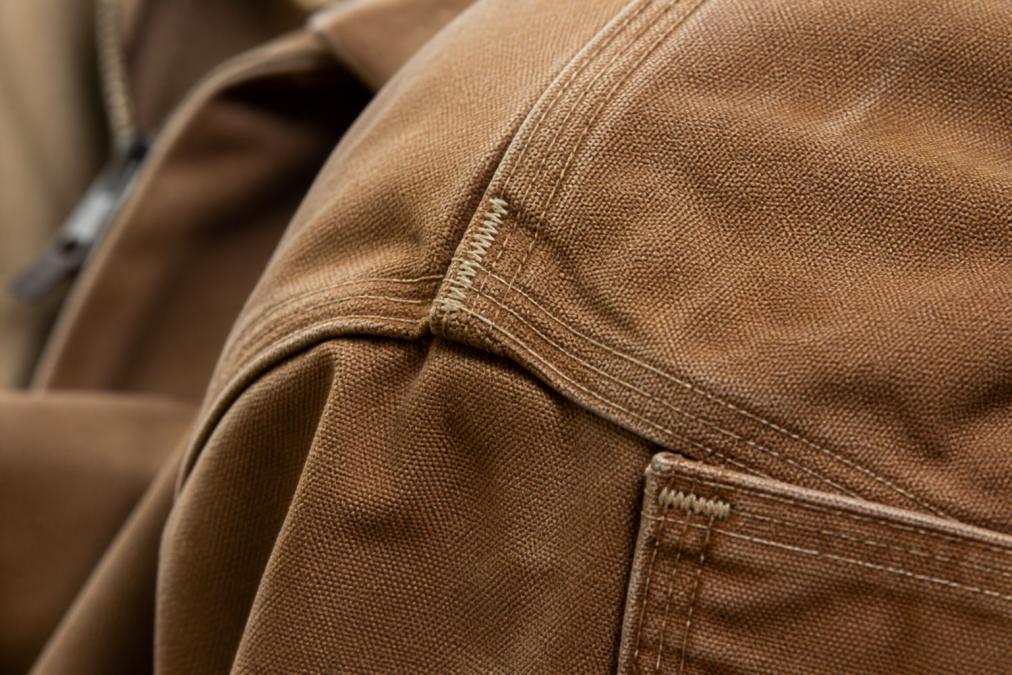
Examine the inside of the garment. Authentic construction shows finished seams inside, with hems that are folded and stitched rather than raw edges. Lining should be attached securely, not glued or loosely tacked. Test the durability of seams by gently pulling on them. A well-constructed seam holds firm; the fabric itself should tear before a quality seam fails.
Identifying Official Logos, Labels, and Serial Numbers
Logos and labels are the easiest elements to counterfeit, which is why examining them carefully is essential. Authentic country brands invest in specific label designs, printing techniques, and placement standards that are difficult to replicate exactly.
The logo should be printed clearly with sharp edges and consistent color. Authentic labels typically use embroidered logos or high-quality printed graphics, not cheap screen printing. The stitching on embroidered logos should be tight and secure.
Check label placement. Authentic manufacturers place labels in consistent locations, typically inside the neckline of shirts, on the back waist of pants, or on the inner pocket of jackets. The label should be stitched down securely on all four corners, not just one or two.
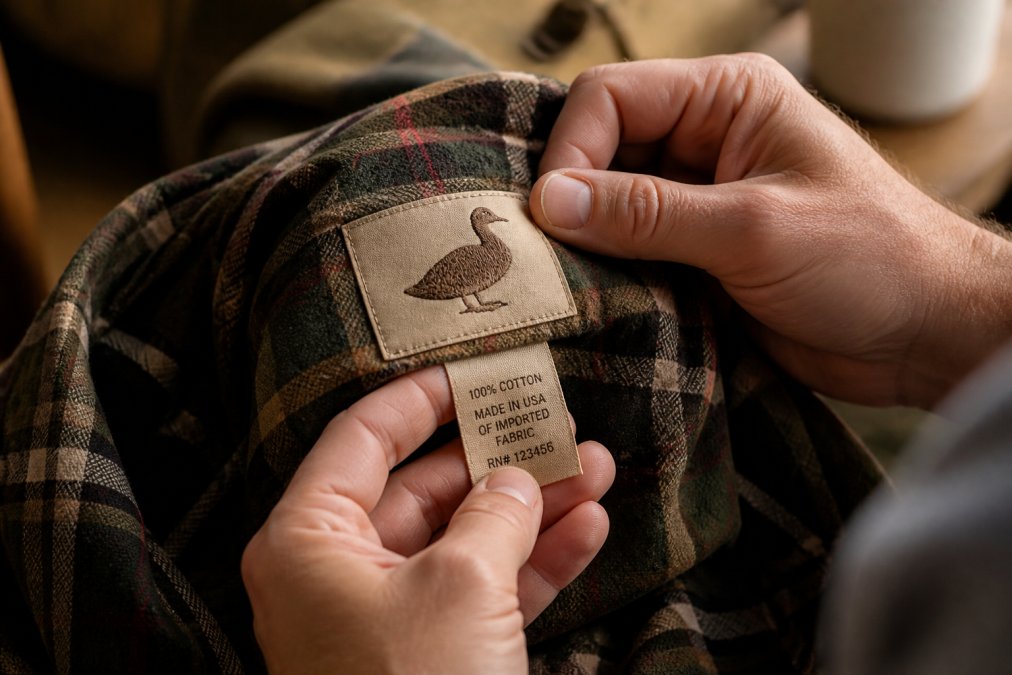
Many legitimate country brands now include unique serial numbers or QR codes that allow customers to verify the product through their official website. If a brand offers this verification, use it. If the product doesn't appear in their registry, it's counterfeit.
Examine the print quality of all text on labels. Authentic manufacturers use high-resolution printing with consistent font sizes and spacing. Blurry text, misspelled words, or inconsistent fonts indicate a fake.
How to Verify Brand Values and Family-Owned Outdoor Clothing Brands
Country brands built on genuine values communicate those values consistently across all customer touchpoints. This authenticity is difficult to fake because it requires genuine commitment, not just marketing language.
Visit the brand's official website and look for their mission or values statement. Authentic family-owned outdoor clothing brands explain why they exist, who founded them, and what principles guide their decisions. Look for specific details: founder names and background, family history in outdoor industries, or commitment to rural communities. Generic statements like "We believe in quality" mean little.
Check their social media presence and blog content. Authentic brands consistently share content aligned with their stated values. A faith-based brand should show faith-centered messaging regularly. A brand committed to rural living should feature rural communities and outdoor lifestyles.
Read customer reviews and testimonials. Look for patterns in how customers describe the brand. Do they mention value alignment? Authentic brands receive reviews that mention values and trust, not just product quality.
Investigate the brand's community involvement. Many authentic country brands support local communities, outdoor conservation, or faith-based organizations. Look for specific partnerships, donations, or sponsorships mentioned on their website.
Digital Verification Tools and Official Registries
Technology now offers multiple ways to verify authenticity. Many legitimate country brands have embraced digital verification because it builds customer trust and protects their brand integrity.
Check if the brand maintains an official product registry. Some manufacturers use blockchain technology or proprietary databases to track legitimate products. Enter the product's serial number or scan its QR code on the brand's official website. If the product appears in their registry with matching details, it's authentic.
Use reverse image search to verify product photos. Take a photo of the product and search it on Google Images. If the same product appears on multiple unauthorized websites or on sites known for counterfeits, that's a warning sign.
Verify the retailer's legitimacy. Check if the seller appears on the brand's official list of authorized retailers. Visit the brand's website and look for an "Authorized Retailers" or "Where to Buy" section. Verify the retailer's legitimacy by checking their business registration, customer reviews, and their relationship with the brand.
Check the brand's official contact information. Scammers often create fake brand websites with slightly altered URLs. Verify you're on the correct official website by checking the URL carefully, looking for HTTPS security certification, and confirming contact information.
Use the Better Business Bureau and consumer protection websites to research the seller's reputation. Search for the retailer's name along with "complaints" or "reviews" to identify patterns of fraud.
Choosing an Authentic Retailer or Alternative
Where you purchase matters as much as what you purchase. Authentic retailers maintain relationships with brands and stand behind their sales. Counterfeit products often flow through unauthorized channels where accountability is minimal.
Start by purchasing directly from the brand's official website when possible. This eliminates middlemen and ensures you're getting genuine products. Official websites typically offer clear return policies, customer support, and product guarantees.
If purchasing through a retailer, verify their authorization status. The brand's official website should list authorized retailers. Authorized retailers have agreements with manufacturers that include quality standards and customer service expectations.
Avoid marketplace sellers with limited history or unclear business information. Look for sellers with extensive positive reviews, clear return policies, and transparent business information. New sellers with few reviews or sellers offering prices significantly below market rates are red flags.
Consider purchasing from specialized outdoor retailers that focus on country and hunting gear. These retailers typically build relationships with manufacturers and understand product quality deeply.
Red Flags: Common Counterfeit Indicators and Marketing Buzzwords
Counterfeiters rely on marketing language and visual tricks to convince buyers they're purchasing authentic products. Learning to recognize these red flags protects you from fraud.
Vague country-of-origin claims are a primary red flag. Phrases like "international brand," "globally sourced," or "proudly made" without specifying a country suggest the manufacturer is hiding where products actually come from. Authentic manufacturers state specific locations. The Federal Trade Commission requires clear country-of-origin labeling, so vague language violates regulations (the FTC).
Overused marketing buzzwords without substance indicate counterfeit or low-quality brands. Watch for phrases like "premium quality," "authentic heritage," or "family values" that appear everywhere without specific explanation. Authentic brands explain what makes them premium and how family values guide decisions.
Prices significantly below market rates are almost always counterfeit. Legitimate manufacturers maintain consistent pricing through authorized channels. A product selling for 50% less than the official website price is almost certainly fake.
Poor website design and unclear contact information suggest counterfeit operations. Legitimate brands invest in professional websites with clear navigation and customer service options. Websites with spelling errors, unclear policies, or missing contact information are red flags.
Inconsistent branding across products is another indicator. Authentic brands maintain consistent logo placement, label design, and packaging across all products. If you own multiple items from the same brand and the labels look different, that's suspicious.
Lack of transparency about supply chain or manufacturing is a significant concern. Authentic country brands discuss their sourcing and manufacturing openly. If a brand claims to be family-owned or American-made but provides no verifiable details, that's a red flag.
Identifying authentic country brands requires attention to detail and willingness to investigate before purchasing. By examining materials, verifying manufacturing origins, checking craftsmanship quality, and researching brand values, you can confidently distinguish genuine products from counterfeits. When you purchase from verified authentic retailers like g&s Essentials and similar family-owned brands, you support manufacturers committed to genuine quality and the values they claim to represent. Start with the physical inspection steps outlined here, use digital verification tools when available, and always purchase from authorized retailers.
Frequently Asked Questions
What is the 3-3-3 rule for identifying authentic country brands?
The 3-3-3 rule is a quick inspection method: check three stitching points (seams, hems, and logo attachment), verify three label elements (brand name, serial number, care instructions), and inspect three material zones (collar, cuffs, and hem for texture consistency). This rapid assessment helps you spot counterfeit indicators before making a purchase. Authentic brands maintain consistent quality across all three areas.
How can you verify if a brand is truly family-owned and shares your values?
Visit the brand's official website and look for an 'About Us' section that details ownership structure, heritage, and founding story. Verify their claims by checking business registrations and social media presence. Authentic family-owned brands often share founder stories, community involvement, and transparent supply chain information. Cross-reference their stated values with customer reviews and their actual product sourcing. Genuine brands back their values with consistent actions, not just marketing language.
What are the hallmarks of authentic country craftsmanship in outdoor apparel?
Authentic country craftsmanship shows attention to detail in material selection, reinforced stress points, and quality stitching throughout. Look for features like Goodyear welt construction in boots, selvedge detailing in denim, and hand-finished elements. The brand should provide information about textile quality, sourcing, and manufacturing standards. Authentic pieces show consistent wear patterns over time and maintain their structure through heavy use. Handcrafted elements and limited production runs are common markers of genuine country brands.
How do I spot greenwashing or false brand values in outdoor gear companies?
Greenwashing occurs when brands make sustainability claims without concrete evidence. Check if they provide specific sourcing details, third-party certifications, or transparent supply chain information. Authentic brands share manufacturing locations, material origins, and environmental practices openly. Watch for vague buzzwords like 'eco-friendly' without supporting data. Verify their claims through independent reviews and certifications from recognized bodies. Genuine brands welcome scrutiny and provide detailed product registries and provenance documentation.
This article was written using GrandRanker