

Table of Contents
- What Makes Rugged Hunting Apparel Essential
- The Best Hunting Clothing Layering System
- Durable Hunting Fabrics Guide
- Waterproof Membranes and Breathability
- Scent Control Technology in Hunting Gear
- Fit, Articulation, and Field Performance
- Repairability, Sustainability, and Long-Term Value
- Conclusion
Last Updated: August 27, 2026
What Makes Rugged Hunting Apparel Essential
When you're sitting in a ground blind at 5 a.m. in November, the difference between adequate gear and rugged hunting apparel is survival. Wind cuts through fabric. Brush tears at seams. Scent carries on the breeze. Every element of your clothing system either works with these realities or fails against them.
Rugged hunting apparel is engineered to solve specific problems: moisture management during high-exertion stalks, thermal regulation across temperature swings, silent movement through dense cover, and concealment that actually works. At g&s Essentials, we've built our Rack & Ridge collection around these fundamentals because hunters demand gear that performs.

This guide cuts through marketing noise to explain what actually matters in the field: the technical foundations of rugged hunting apparel, layering systems that work, fabric technologies that deliver, and the details that separate gear that lasts from gear that fails after a season.
The Best Hunting Clothing Layering System
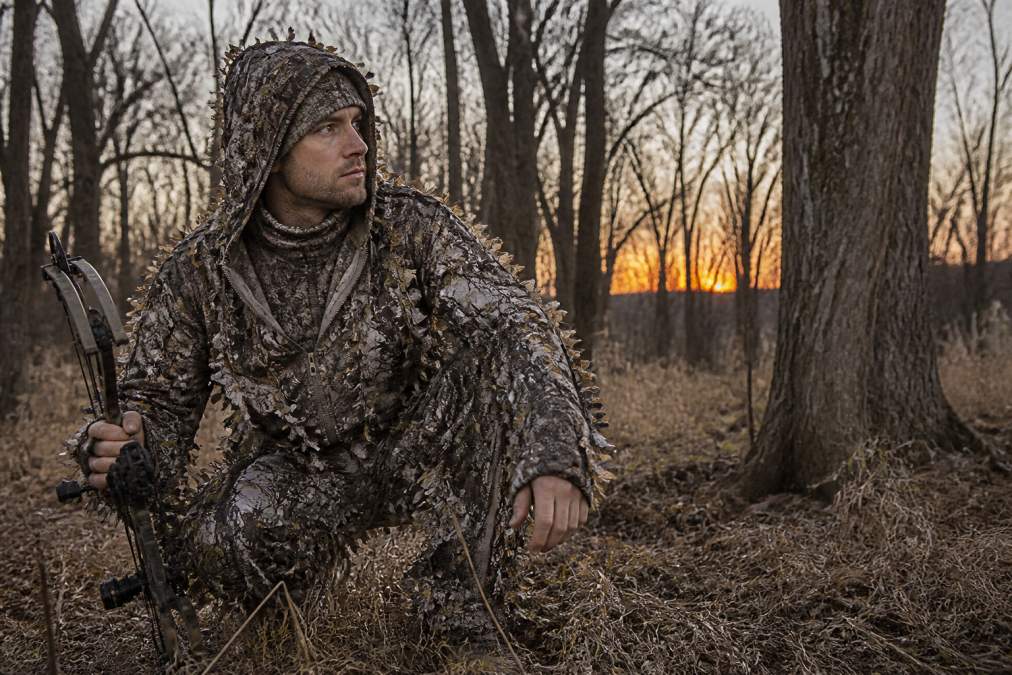
A hunting clothing layering system works like a three-part engine. Base layers manage moisture. Mid-layers trap warmth. Shell layers block wind and water. When these layers work together, you stay comfortable across temperature swings and exertion levels.
Base Layer: Moisture-Wicking Foundation
The base layer sits against your skin and moves sweat away from your body. When moisture stays trapped next to skin, you get cold. A proper base layer wicks moisture outward, keeping your core dry while allowing that moisture to disperse through the layers above.
Synthetic fibers like polyester and nylon repel water while capillary action pulls moisture along the fiber. Merino wool absorbs moisture into the fiber itself, preventing that moisture from feeling wet against your skin. Both approaches work; the choice depends on your climate and budget.
A quality base layer should fit snug without restricting movement. Look for flatlock seams rather than traditional stitching; they reduce chafing on long sits and don't catch on brush.
Mid-Layer: Insulation and Thermal Regulation
Mid-layers trap dead air space, where insulation actually happens. A mid-layer material should hold air pockets without compressing, even when you're moving or when moisture passes through from below.
Down insulation excels at warmth-to-weight ratios but fails catastrophically when wet. Down clumps and loses all insulating value. Synthetic insulation like polyester retains roughly 60-70% of its insulating value even when wet, making it the practical choice for hunting in unpredictable weather.
The mid-layer should allow some breathability so moisture from your base layer can pass through rather than condense and create a cold, wet environment.
Shell Layer: Windproof and Waterproof Protection
The shell layer blocks wind and rain while allowing moisture vapor from your body to escape. A true waterproof membrane has pores small enough to block water droplets but large enough to allow water vapor molecules to pass through.
A shell layer should also be quiet. Nylon shells crinkle with every movement; look for brushed or knit-backed fabrics that move silently. Seams are critical, water finds every stitch line. Quality shells have seam-sealed construction where seams are sealed from the inside with tape or adhesive.
Durable Hunting Fabrics Guide
Fabric choice determines how long your gear lasts and how it performs in the field.
Synthetic Fibers vs. Merino Wool
Synthetic fibers dominate hunting apparel because they're affordable, durable, and perform consistently across conditions. Polyester and nylon resist abrasion, dry quickly, and maintain their properties even when wet. Synthetics can trap odor and require regular washing to stay fresh.
Merino wool is naturally antimicrobial, so odor doesn't accumulate the way it does with synthetics. Merino regulates temperature better across wider ranges and keeps you warm when wet. The trade-offs are cost and durability, merino wool is more prone to pilling in high-friction areas.
For base layers, merino wool excels. For mid-layers and shells where durability matters most, synthetic blends are the practical choice.
Abrasion-Resistant and Seam-Sealed Construction
Abrasion resistance comes from fabric weight, weave density, and fiber choice. The solution is strategic reinforcement: heavier fabric in high-stress areas (seat, knees, elbows) and lighter fabric where mobility matters (shoulders, hips).
Seam-sealed construction distributes load more evenly and resists tearing. Look for double-stitched seams in high-stress areas and reinforced stress points where straps attach. These details extend gear life by years.
Waterproof Membranes and Breathability
A waterproof membrane solves an engineering problem: how do you block liquid water while allowing water vapor to escape? The answer is pore size. A waterproof membrane has pores measured in microns, small enough to repel water droplets but large enough for vapor molecules.
Laminated construction bonds the membrane directly to the outer fabric and is durable but reduces breathability slightly. Bonded membranes are glued to an inner lining, allowing more vapor transmission but risking delamination over time.
Breathability is measured in grams of water vapor transmitted per square meter per 24 hours. For hunting, a rating of at least 10,000 g/m²/24h is practical. DWR (Durable Water Repellent) coating on the outer fabric makes water bead up rather than soak in. DWR wears off with washing, typically lasting 20-40 washes. Reapplying DWR is cheap and extends shell life dramatically.
Scent Control Technology in Hunting Gear
Carbon-based scent control embeds activated carbon particles in fabric to absorb odor molecules. It works moderately well for fresh human odor but loses effectiveness quickly once saturated.
Antimicrobial treatments prevent bacteria from breaking down sweat and skin oils into odor compounds. Merino wool is naturally antimicrobial. Synthetic fabrics can be treated with silver ions, which extends the time before odor becomes noticeable. These treatments are more effective than carbon-based approaches but still require regular washing.
The honest truth: scent control technology helps, but it's not a substitute for field hygiene. Washing your gear regularly, hunting upwind, and managing your approach are more important than the fanciest scent-masking fabric.
Fit, Articulation, and Field Performance
Gear that doesn't fit your body or move with your body becomes a liability in the field.
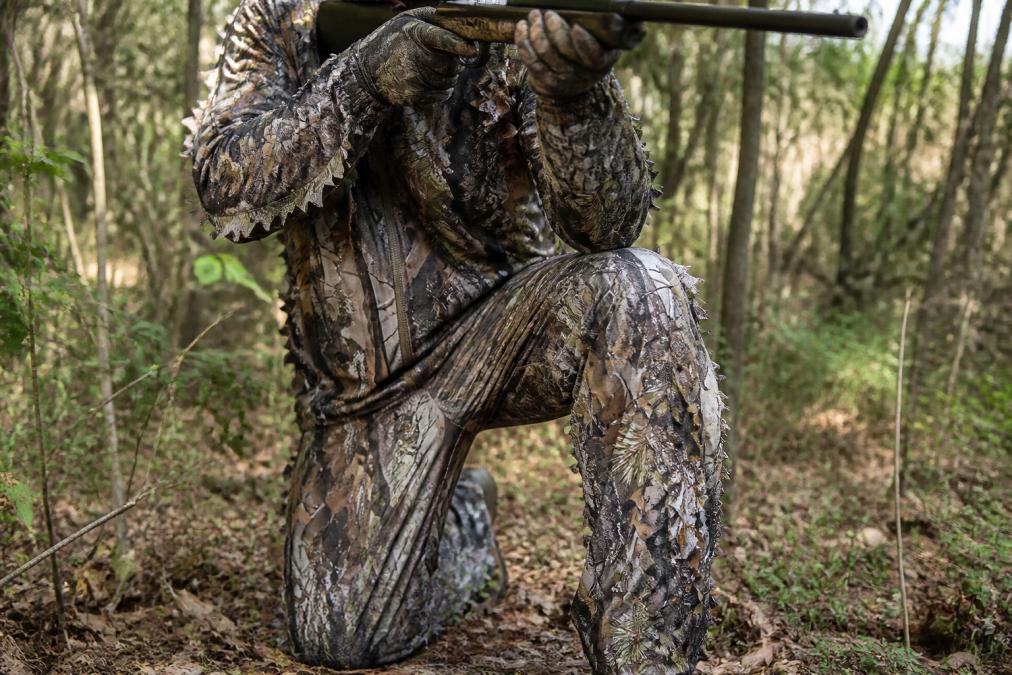
Articulated joints matter more than most hunters realize. Quality hunting apparel includes gusseted panels (extra fabric at joints) or stretch-woven construction that moves with your body rather than against it.
Fit should be snug enough that layers don't shift when you move but loose enough to layer underneath. Pocket placement should sit where your hands naturally rest. Stretch-woven fabrics allow movement in all directions without adding weight or bulk.
Repairability, Sustainability, and Long-Term Value
Rugged hunting apparel separates from disposable outdoor wear because it lasts decades. Gear that lasts 10 years instead of 3 means fewer resources consumed and less waste.
Repairability starts with design. Seams should be accessible for re-stitching. Zippers should be replaceable. Pockets should be sewn in a way that allows repair. Quality hunting apparel uses construction methods that allow repair rather than requiring complete replacement.
The hidden value of rugged hunting apparel is that it improves your hunting experience. You're not distracted by cold, wet, or uncomfortable gear. You can focus on the hunt.
| Feature | Why It Matters | What to Look For |
|---|---|---|
| Moisture-wicking base layer | Keeps you dry during exertion and sitting still | Synthetic or merino, snug fit, flatlock seams |
| Synthetic mid-layer insulation | Retains warmth even when damp | Polyester or polypropylene, some breathability |
| Seam-sealed shell | Blocks rain and wind without trapping moisture | Sealed seams throughout, brushed quiet fabric |
| Articulated joints | Allows natural movement without restriction | Gusseted panels or stretch-woven construction |
| Abrasion-resistant fabric | Resists tearing from brush and rock | Reinforced high-stress areas, double-stitched seams |
| DWR coating | Keeps water from soaking into fabric | Reapplies with treatment, lasts 20-40 washes |
Conclusion
Rugged hunting apparel works because it's engineered around the actual demands of hunting: temperature swings, moisture management, silent movement, and durability under real-world conditions. The best gear combines a proper layering system with quality fabrics, thoughtful fit, and construction methods that prioritize performance.
At g&s Essentials, our Rack & Ridge collection is built on these principles. We've designed pieces like the Men's Tactical Hiking Pants with breathable, waterproof construction and multi-pocket cargo design for real field performance. Our Men's 3D Bionic Camo Hunting Suit delivers three-dimensional concealment with seam-sealed durability.


Invest in pieces that layer properly, move with your body, and resist the punishment the field delivers. Your hunting experience and success rate will improve because you're not fighting your gear.
ASTM International Standards for Protective Apparel
Federal Trade Commission Guidelines on Textile Fiber Products
Outdoor Industry Association Sustainability Report
Frequently Asked Questions
What are the most important features of rugged hunting apparel?
The core features are moisture-wicking base layers, insulating mid-layers, waterproof/windproof shells, abrasion-resistant fabrics, and scent control technology. A complete layering system lets you adjust to temperature changes and exertion levels. Seam-sealed construction and DWR treatments add durability. Fit matters too, articulated joints and ergonomic design let you move freely in the field without restriction or noise.
How does a best hunting clothing layering system work?
The layering system works in three stages: base layer pulls moisture away from skin to stay dry; mid-layer traps warm air for insulation; shell layer blocks wind and rain. This approach lets you regulate temperature by adding or removing layers without overheating during high-exertion moments like stalking or climbing. Breathability in the mid and shell layers prevents sweat buildup even during intense activity.
What makes a durable hunting fabrics guide important when choosing gear?
Durable hunting fabrics determine how long your gear survives rough terrain, brush, and repeated field use. Look for synthetic blends or merino wool that resist abrasion, seam-sealed construction to prevent water leaks, and DWR treatments that repel moisture without relying on heavy coatings. Fabric weight and stretch-woven construction also affect durability, lighter isn't always better if it tears easily in thick brush.
How does scent control technology in hunting gear actually work?
Scent control technology uses antimicrobial treatments or carbon-based materials woven into the fabric to neutralize human odor before it disperses. Some fabrics incorporate activated charcoal or silver ions that break down bacteria responsible for scent. This extends your window of concealment by reducing the odor signature animals detect. Combined with proper base layer choice and field hygiene, scent-control apparel improves your odds in the stand or stalk.
What temperature rating should I look for in hunting apparel?
Temperature ratings vary by season and hunt type. Early season hunts in mild weather need breathable, lightweight layers rated 50-70°F. Late-season and cold-weather hunting demands insulation rated for 0-40°F. Look for gear with adjustable insulation, mid-layers you can add or remove, rather than fixed ratings. High-exertion hunts (stalking, climbing) need better breathability than stationary blind hunting, so choose fabrics with higher moisture vapor transmission rates.
Why is articulation important in rugged hunting apparel?
Articulated joints in pants and jackets follow your body's natural range of motion, reducing fabric bunching and noise when you move. This is critical in hunting because loose fabric creates sound that spooks game. Articulated knees, elbows, and shoulders also improve comfort during extended stalking or sitting. Ergonomic fit prevents fatigue and lets you focus on the hunt instead of adjusting ill-fitting gear.
Can I repair rugged hunting apparel, or should I replace it?
Quality hunting apparel is repairable. Seam leaks can be sealed with tape or adhesive treatments; small tears in fabric can be patched. Many synthetic and wool fabrics hold repairs well when treated properly. Investing in repairable gear extends its lifespan and reduces waste. Check if your apparel uses standard construction methods, modular designs and reinforced stress points make repairs easier and more durable than cheap, disposable alternatives.
This article was written using GrandRanker