

Table of Contents
- The Real Cost of Cheap Apparel
- How to Identify High Quality Clothing
- Cost Per Wear Formula: The True Measure of Value
- Durability and Garment Lifespan
- Durable Outdoor Clothing for Rural Living
- Environmental Impact and Ethical Production
- Building a Quality Wardrobe That Works
- Conclusion
Last Updated: August 26, 2026
The Real Cost of Cheap Apparel
Cheap apparel costs more than the price tag suggests. When you buy a shirt for $12 that falls apart after five washes, you're not saving money, you're paying twice. The hidden expenses stack up: replacement purchases, faster wardrobe turnover, and the frustration of clothing that doesn't perform when you need it.
Fast fashion thrives on a simple math problem: produce garments so cheaply that customers accept disposability as normal. But this model breaks down the moment you actually need your clothes to work. A work shirt that loses its shape after a season isn't a bargain. A jacket seam that splits during your first real outdoor use isn't a deal.
Quality apparel operates on different economics. A well-made shirt costs more upfront because it uses better materials, tighter construction, and quality control that actually catches defects before they ship. But that shirt lasts years, not months. The cost per wear, the true measure of value, drops dramatically over time.
How to Identify High Quality Clothing
Identifying quality apparel requires looking beyond the brand name or marketing language. Real quality shows up in specific, measurable details that you can inspect before buying.
Start with seams. Run your finger along the stitching on any garment. Quality seams are tight, even, and use thread that matches the fabric color. Loose or uneven stitching means the garment will fail there first, usually within the first few wears. Cheap construction uses fewer stitches per inch to save time, which guarantees failure under stress.
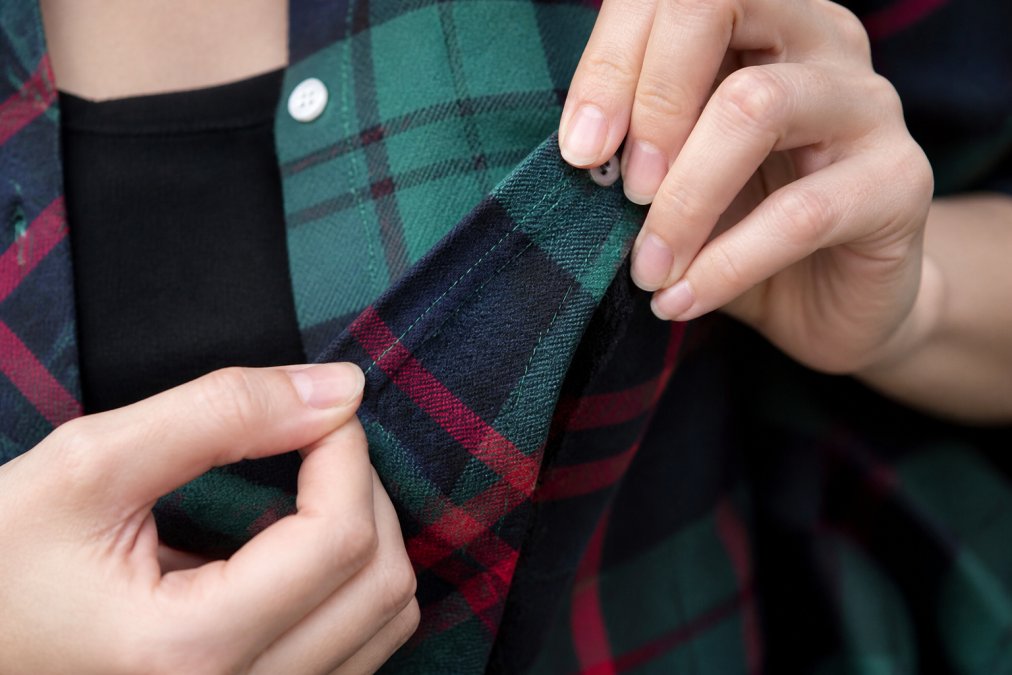
Check the fabric weight and composition. Hold the garment and feel its substance. Thin, flimsy fabric puckers, wrinkles easily, and loses shape after washing. Quality apparel uses fabric with real weight, measured in grams per square meter (gsm) for woven goods. A quality t-shirt uses 150-180 gsm fabric; cheap versions use 120 gsm or less (peer-reviewed research). The difference is obvious when you hold them side by side.
Look at hems and cuffs. These finishing details reveal whether a manufacturer cares about durability. Quality garments use double-stitched hems and reinforced cuffs. Cheap apparel uses single stitches or, worse, serged edges that unravel after a few washes. Examine the inside of the garment, if it looks rushed and unfinished, the outside will follow.
Inspect seam allowances. Open a side seam if you can and look at how much fabric remains beyond the stitching. Quality garments use generous seam allowances (half an inch or more) that allow for repairs and alterations. Tight seam allowances mean the garment is already at its limit and can't be let out or reinforced.
Check the collar and cuff construction. In quality shirts, collars are interfaced (reinforced with a backing layer) and sewn with precision. Cheap collars are floppy and lose their shape. The same applies to cuffs, quality construction holds its form through dozens of washes.
:::pro-tip Natural fibers, cotton, wool, linen, silk, generally last longer than synthetic materials. But a well-made synthetic garment outlasts a poorly made natural fiber piece. Construction quality matters more than fiber alone. :::
Cost Per Wear Formula: The True Measure of Value
Cost per wear eliminates the confusion around pricing. It answers the actual question: how much does this garment cost me every time I wear it?
The formula is simple: divide the total cost by the number of times you'll wear it. A $100 jacket worn 200 times costs $0.50 per wear. A $30 jacket worn 20 times costs $1.50 per wear. The expensive jacket is cheaper in real terms.
This calculation transforms how you shop. It stops the impulse to buy cheap basics and forces you to think about actual use. A $70 pair of work pants worn 300 times over three years costs $0.23 per wear. A $25 pair worn 30 times before they fail costs $0.83 per wear.
The math favors quality apparel in almost every scenario. Cheap clothes get worn less frequently because they're less reliable, less comfortable, and less versatile. Quality pieces become wardrobe staples that you reach for repeatedly because they work.
To calculate your own cost per wear, start by estimating realistic wear frequency. A work shirt worn five days a week for a year gets 260 wears. A weekend jacket worn twice a month gets 24 wears annually. Be honest about use, many cheap purchases sit unworn because they don't perform or fit as expected.
Then project lifespan. Quality apparel typically lasts 3-5 years with proper care (the FTC). Cheap apparel lasts 6-18 months. A $50 shirt lasting 100 wears costs $0.50 per wear. A $15 shirt lasting 15 wears costs $1.00 per wear.
Durability and Garment Lifespan
Durability separates quality apparel from disposable clothing. A durable garment maintains its structure, appearance, and function through hundreds of wears and dozens of washes.
Garment lifespan depends on three factors: fabric quality, construction integrity, and proper care. Quality apparel excels in the first two and rewards the third.
Fabric durability is measurable. High-quality cotton has longer, stronger fibers that resist pilling and wear. Wool blends maintain their shape better than pure synthetics. Linen actually strengthens with washing. These materials cost more because they perform better over time.
Construction durability comes from seam strength, reinforced stress points, and proper finishing. A quality jacket has reinforced shoulder seams, double-stitched collar attachments, and finished hems. These details cost more to produce but add years to the garment's life.
Proper care extends lifespan significantly. Washing in cool water, using gentle detergent, and air-drying preserves fabric integrity. Machine drying damages fibers and accelerates wear. Storing garments properly, on hangers rather than folded, prevents creasing and shape loss. These practices matter more for quality apparel because you're investing in pieces worth maintaining.
A well-made shirt can last 5-7 years with proper care (the EPA). A cheap shirt lasts 6-12 months regardless of care. The difference compounds. Over a decade, you'll buy 10-15 cheap shirts or 1-2 quality ones. The quality approach saves money, time, and closet space.
Durable Outdoor Clothing for Rural Living
Outdoor and rural living demands apparel that actually performs. Cheap outdoor clothing fails exactly when you need it most, in bad weather, during physical work, or on extended trips.
Durable outdoor clothing uses construction techniques designed for real conditions. Seams are sealed or taped to prevent water penetration. Fabric has high thread count for wind resistance. Cuffs and hems are reinforced for durability under stress.
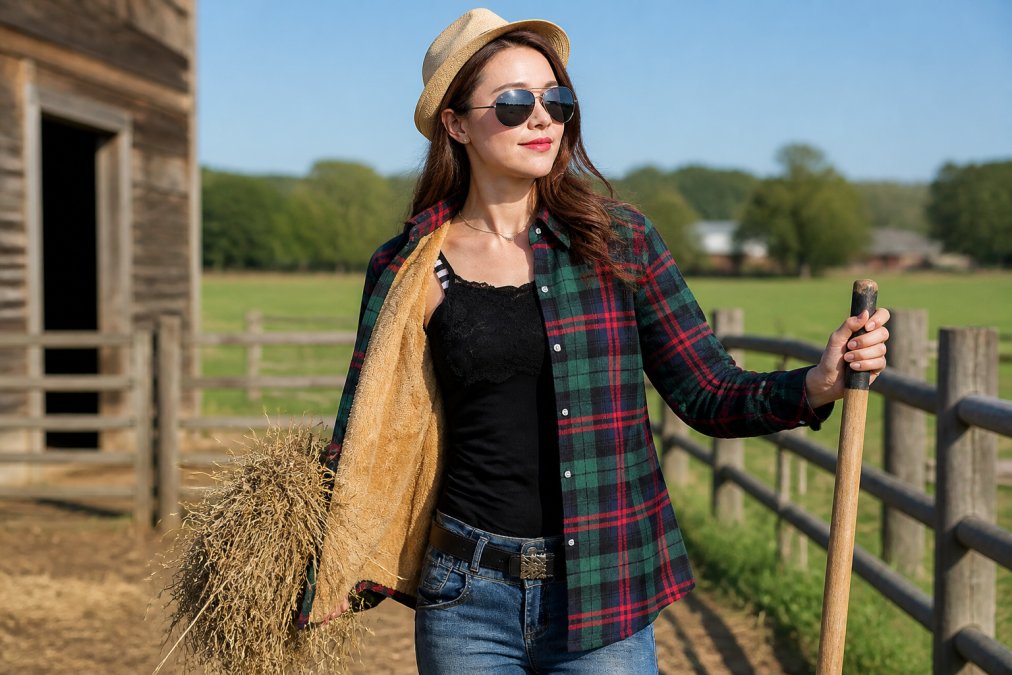
Materials matter more in outdoor use. Wool resists moisture and maintains warmth when wet. Quality cotton canvas withstands heavy work and weather. Synthetic blends engineered for outdoor use offer water resistance without the weight. Cheap synthetics degrade under UV exposure and lose their properties within a season.
The g&s Essentials Rack & Ridge outdoor collection exemplifies durable construction. These pieces are built for hunters, fishers, and people who work outside. Reinforced stress points, quality seams, and tested materials mean the apparel performs when conditions are harsh.
Consider a work shirt for outdoor use. A cheap version might feel fine in a store but won't hold up to daily exposure to sun, sweat, and weather. A quality work shirt from a brand that understands rural needs will last years. The difference shows up in seam integrity after dozens of washes, fabric that maintains its shape and color, and construction that handles real work.
For rural living, durability isn't luxury, it's practical necessity. Clothes that fail during work create safety risks and waste money. Clothes that last become trusted tools you rely on.
Environmental Impact and Ethical Production
Quality apparel and environmental responsibility align naturally. Durable clothing generates less waste. Ethical production respects people and resources. These aren't separate concerns, they're connected.
Fast fashion's environmental cost is substantial. Cheap apparel encourages constant replacement, which means constant production. Constant production means resource consumption, water use, chemical pollution, and textile waste. A garment worn 10 times before disposal generates far more environmental impact per wear than a garment worn 500 times.
Ethical production means workers are paid fairly, work in safe conditions, and aren't exploited by impossible quotas. Quality manufacturers invest in ethical production because they're building long-term businesses, not chasing quarterly margins. Cheap manufacturers cut corners on labor because wages and conditions are their largest controllable cost.
The circular economy, where garments are designed for repair, reuse, and eventual recycling, depends on durability. A cheap garment can't be repaired because the construction is too poor. A quality garment can be mended, altered, and eventually recycled. This matters environmentally and economically.
Choosing quality apparel is an environmental choice. Fewer purchases mean fewer resources consumed. Choosing brands that practice ethical production means supporting businesses that treat workers fairly. These choices compound. Over a decade, buying quality instead of cheap dramatically reduces your environmental footprint.
Building a Quality Wardrobe That Works
A quality wardrobe doesn't require buying everything at once. It's built deliberately, piece by piece, around pieces that work together and serve your actual life.
Start with basics that you wear frequently. Work shirts, everyday pants, everyday t-shirts. These pieces should be high-quality because they get worn most often. The cost per wear is lowest for your most-worn items, so quality investment here pays off immediately.
Choose neutral colors and timeless styles. Trends in cheap apparel change constantly, which is the whole point of fast fashion. Quality apparel is designed to last, which means it should look good for years. Neutral colors (black, white, gray, navy, khaki) combine easily and don't feel dated. Classic styles, well-fitted shirts, quality denim, structured jackets, remain relevant.
Invest in fit. Cheap apparel often has poor fit because manufacturers use low-cost patterns and minimal grading. Quality pieces are cut better and fit more people well. When something fits properly, you wear it more often, which lowers your cost per wear.
Build around a capsule wardrobe concept. A capsule wardrobe is a small collection of pieces that mix and match to create multiple outfits. This approach forces you to buy pieces you'll actually wear repeatedly. A 30-piece capsule wardrobe can create dozens of outfit combinations. You wear each piece more often, which justifies quality investment.
Consider pieces for your specific lifestyle. If you spend time outdoors, invest in quality outdoor apparel. If you work in an office, quality work clothes matter. If you hunt or fish, specialized outdoor clothing designed for those activities outperforms generic alternatives. g&s Essentials offers pieces designed specifically for rural living and outdoor pursuits, which means they're engineered for actual use rather than fashion.
Buy less, choose well, wear it more. This approach, the opposite of fast fashion, saves money, reduces waste, and builds a wardrobe you actually like wearing.
Choosing quality over cheap apparel is fundamentally about getting what you pay for. The lowest price at purchase isn't the best deal, the lowest cost per wear is. Quality pieces last longer, perform better, and ultimately cost less money while reducing waste and supporting ethical production.
When you're ready to build a wardrobe that actually works for rural living and outdoor pursuits, explore the Men's Bamboo & Organic Cotton T-Shirt and Luxury Winter Warm Plaid Shirt Style Coat from g&s Essentials. These pieces exemplify durable construction and quality materials designed for people who need apparel that works. Start with pieces that match your lifestyle, and build from there.


Frequently Asked Questions
Q: How do you calculate the cost per wear of an item?
A: Divide the garment's price by the number of times you expect to wear it. A $100 jacket worn 100 times costs $1 per wear; a $30 shirt worn 10 times costs $3 per wear. Quality apparel typically lowers cost per wear because it lasts longer, spreading the initial investment across more wears. Track actual wears for a month to estimate annual frequency accurately.
Q: Why has the quality of clothing declined in recent years?
A: Mass production and planned obsolescence drive costs down but reduce durability. Synthetic materials replace natural fibers, thinner fabrics cut manufacturing costs, and seam integrity suffers under rapid production timelines. Retail markup pressures force brands to choose cheaper construction methods. Quality apparel resists these shortcuts by investing in better materials, ethical manufacturing, and rigorous quality control, which costs more upfront but delivers garments that last years, not seasons.
Q: Can you really tell if clothing is high quality before buying it?
A: Yes. Check fiber composition (natural fibers like cotton and wool outperform synthetics), examine seam integrity and stitch density, feel fabric weight and texture, inspect hems and collar finishing, and read care labels. Quality apparel shows attention to detail in every element. Brands transparent about materials and construction, like g&s Essentials' bamboo viscose sheets ($220.00) and Men's Bamboo & Organic Cotton T-Shirt ($33.99), signal confidence in durability and value.
Q: What's the environmental benefit of buying quality apparel over cheap clothing?
A: Quality garments reduce consumption and waste. One durable jacket worn for five years eliminates the need for five cheaper jackets that deteriorate annually. This reduces the environmental footprint of manufacturing, shipping, and landfill waste. Sustainable fashion and the circular economy depend on garments that last. Choosing quality apparel aligns with slower consumption patterns and reduces your personal impact on textile production and waste.
This article was written using GrandRanker