

Table of Contents
- What Makes Country Home Goods Reliable
- Durable Farmhouse Furniture Materials That Stand the Test
- Vetting Sellers: How to Spot Trustworthy Sources
- Rustic Kitchen Island Ideas With Storage vs Open Base
- Maintaining Solid Wood Country Furniture for Longevity
- Seasonal and Everyday Essentials Worth Your Money
- Supporting Authentic Craftsmanship Over Mass Production
- Frequently Asked Questions
Last Updated: September 2, 2026
What Makes Country Home Goods Reliable
Finding reliable country home goods means understanding what separates furniture and decor that lasts decades from pieces that fall apart after a season or two. Reliability isn't about price alone, it's about materials, construction methods, and the integrity of the maker behind the product.
At g&s Essentials, we've spent years curating products for families who live the country lifestyle and expect their purchases to perform. The difference between a reliable piece and a disappointing one comes down to three core factors: the quality of raw materials, honest construction without shortcuts, and a maker's reputation for standing behind their work.
Most people shopping for country home goods focus on aesthetics first. They see a beautiful rustic kitchen island or a handcrafted quilt and make a decision based on how it looks in the photo. What they don't see is whether the wood was kiln-dried properly, whether joints are mortise-and-tenon or just glued, or whether the seller has a track record of honoring returns when something arrives damaged.
Reliable country home goods share specific characteristics. They use solid materials instead of veneers and particleboard. They're built with joinery methods that have proven themselves over generations. And they come from sellers who've invested enough in their reputation to make things right when problems occur. These aren't trendy items designed to look good for a season, they're pieces meant to develop character and patina as they age.
Durable Farmhouse Furniture Materials That Stand the Test
Solid wood is the foundation of durable farmhouse furniture. Not all wood is created equal, though. Hardwoods like oak, walnut, and cherry are significantly more durable than softwoods like pine for furniture that will see daily use. Pine works beautifully for rustic aesthetic appeal, but it dents and scratches more easily. If you're buying a kitchen table or dining chairs that will be used hard, hardwood is worth the investment.
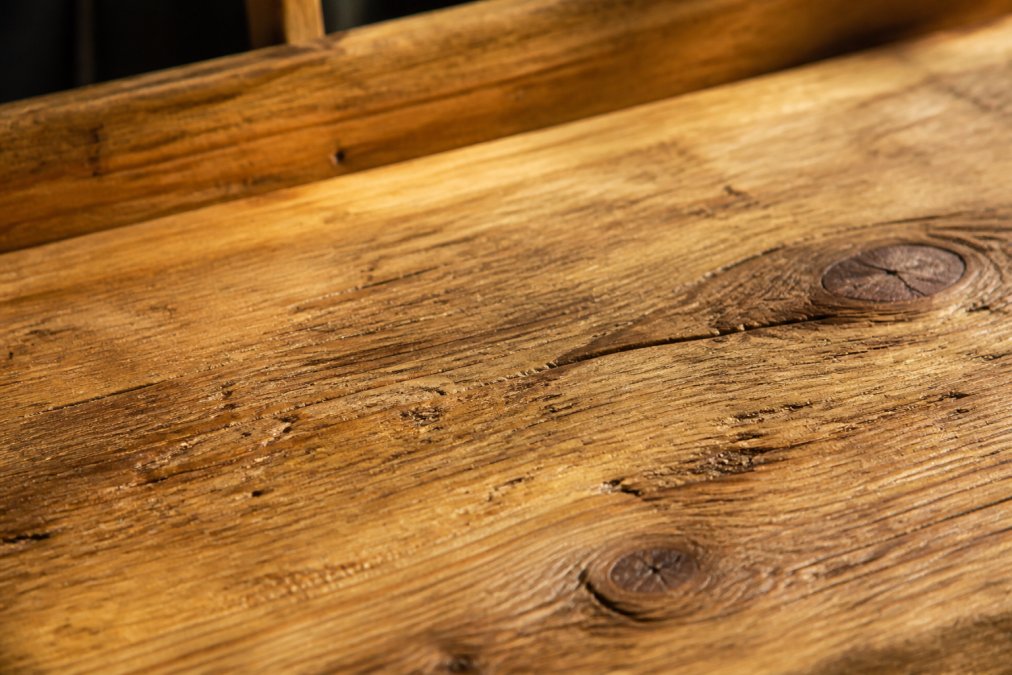
Reclaimed wood carries its own durability story. Barn wood and salvaged timber have already survived decades or centuries of use. The wood has been stress-tested by time and weather. When you buy reclaimed materials, you're getting wood that's already proven itself. The downside is authenticity, reclaimed materials cost more and true reclaimed pieces are harder to find than new wood made to look old.
Joinery method matters more than most buyers realize. Mortise-and-tenon joints, where one piece of wood fits into a carefully shaped cavity in another, hold furniture together far better than dowels or pocket-hole screws. Dovetail joints in drawers are another sign of quality, they're stronger and more beautiful than simple butt joints. These methods take more time and skill, which is why they're found in higher-quality pieces.
Finish quality affects both durability and maintenance. Hand-applied finishes like oil or wax develop character over time and are easier to repair than factory polyurethane coatings. However, they require more upkeep. Polyurethane and conversion varnish finishes are more durable and require less maintenance, but they're harder to touch up if they get damaged. The right finish depends on your lifestyle, high-traffic family homes benefit from harder finishes, while pieces in less-used rooms can handle more delicate finishes.
Metal hardware and accents should be solid, not plated. Cast iron, wrought iron, and solid brass hold up to years of handling. Plated hardware looks identical when new but wears through to cheap metal underneath within a few years of regular use. Check hardware by weight, solid metal is noticeably heavier than plated alternatives.
Vetting Sellers: How to Spot Trustworthy Sources
Where you buy matters as much as what you buy. A beautiful piece from an unreliable seller can become a frustrating purchase if it arrives damaged or doesn't match the description.
Start by checking return policies. Trustworthy sellers make returns easy because they're confident in their products. If a seller makes returns difficult or charges restocking fees, that's a warning sign. A 30-day return window is standard for quality sellers (the FTC). Anything less suggests they're not confident enough in their products to back them.
Customer reviews reveal patterns you can't see from product photos. Read reviews specifically for comments about durability, shipping condition, and seller responsiveness. Look for mentions of how items hold up after months of use, not just initial impressions. If multiple reviews mention the same problem, that's a genuine issue, not an isolated complaint. Be skeptical of sellers with only glowing reviews, real products have some criticism.
Shipping and packaging quality indicates how seriously a seller takes their products. Pieces arrive in good condition when sellers invest in proper padding and sturdy boxes. If you see reviews mentioning items arriving damaged despite careful packing, the seller is doing their job. If items consistently arrive damaged, the seller isn't protecting their products adequately.
Look for transparency about sourcing and production. Reliable sellers can tell you where materials come from and how items are made. They're willing to answer specific questions about construction methods, wood species, and finishes. Vague descriptions like "rustic farmhouse style" without material specifications are a red flag. Sellers of authentic country home goods can explain exactly what you're getting.
Longevity in business matters. A seller who's been operating for years has survived by treating customers fairly. New sellers might offer great prices, but they haven't proven their staying power. Check how long a business has been online and whether they've maintained consistent quality over time.
Rustic Kitchen Island Ideas With Storage vs Open Base
A kitchen island is one of the most-used pieces in a country home, so the choice between storage and open base isn't just aesthetic, it's functional. Both approaches have real trade-offs worth understanding.
Storage-based islands hide clutter and keep frequently-used items within arm's reach while cooking. Drawers and cabinets below the countertop keep your kitchen looking organized. This works well if you have a lot of kitchen tools, small appliances, or pantry overflow. The downside is cost, storage islands are more expensive because they require more materials and construction complexity. They're also heavier and harder to move if you ever want to rearrange your kitchen.
Open-base islands create visual lightness and make smaller kitchens feel more spacious. They're typically less expensive than storage versions. An open base works beautifully if you have limited kitchen items or prefer a minimalist aesthetic. The trade-off is that everything you store on open shelves is visible, so you need to keep items organized and attractive.
Consider your actual kitchen workflow. If you reach for the same tools repeatedly while cooking, storage below your work surface saves steps. If you have a separate pantry and your tools are already organized elsewhere, an open base might be sufficient. Think about what you'd actually store in an island, if you don't have items that belong there, storage is wasted investment.
Construction quality matters more in islands than stationary furniture because islands get used hard. Look for solid wood construction with reinforced joinery. Islands take impact from people leaning against them, items being set down, and daily wear. Cheap particle-board construction fails quickly under this use. Solid wood with proper joinery lasts decades.
Maintaining Solid Wood Country Furniture for Longevity
Solid wood furniture doesn't require constant fussing, but it does benefit from consistent care. The goal is protection without over-treating, which can damage the wood's natural character.
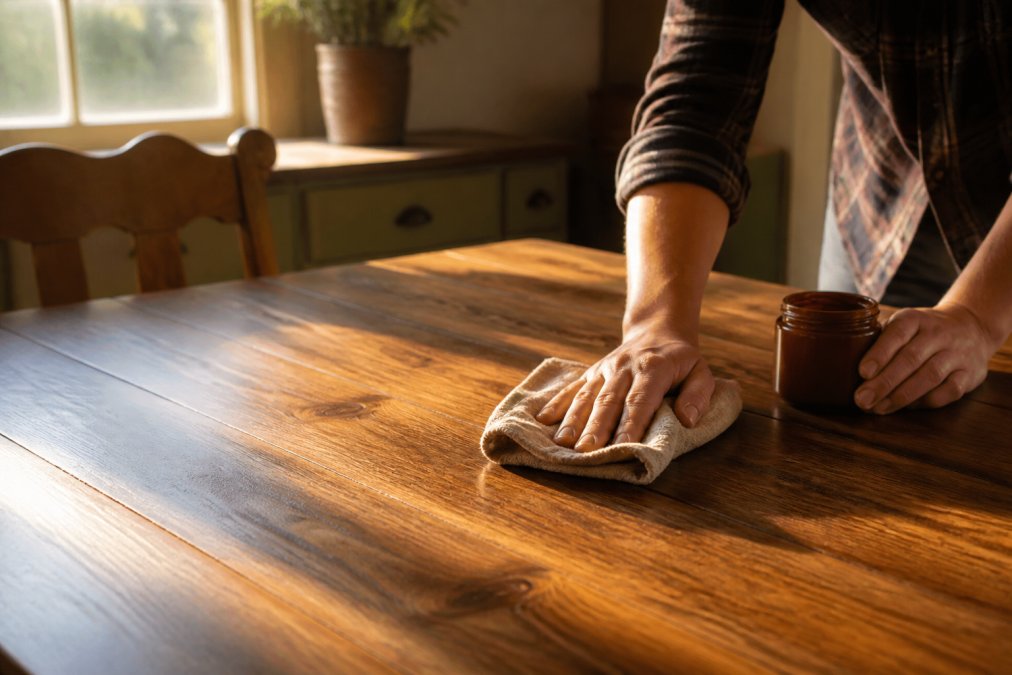
Dust regularly with a soft, slightly damp cloth. This removes particles that can scratch the surface. Avoid furniture polish with silicone, it builds up over time and creates a cloudy residue. A microfiber cloth and plain water work better than commercial polishes for regular maintenance.
Protect wood from direct sunlight, which fades color and can cause uneven aging. If a piece sits in a sunny window, rotate it occasionally or use window treatments to reduce direct exposure. Wood naturally darkens with age, but sunlight accelerates this unevenly.
Control humidity in your home. Wood expands and contracts with moisture changes. Very dry environments cause wood to crack and joints to loosen. Very humid environments can cause swelling and warping. A humidity level between 40-50% is ideal for wood furniture. In dry climates, a humidifier helps. In humid climates, good air circulation and dehumidifiers prevent problems.
Address spills immediately. Water rings and stains are easier to fix when fresh. Blot spills with a soft cloth, don't rub. For water rings, try rubbing with a soft cloth and a small amount of oil. For more serious stains, you may need to sand and refinish the affected area.
Use coasters and placemats to prevent water damage and heat marks. Hot dishes can leave permanent marks on unprotected wood. Coasters cost nothing compared to refinishing damage.
For oil-finished furniture, reapply finish annually or as needed. Food-grade mineral oil or specialized wood oils maintain the wood's protection and appearance. Wax-finished pieces benefit from occasional rewaxing. Polyurethane-finished pieces rarely need maintenance beyond dusting.
Seasonal and Everyday Essentials Worth Your Money
Country home goods that earn their place are pieces you use regularly and that improve your daily life. These are the items worth investing in quality because they're not decorative, they're functional.
Quality kitchen linens like tea towels and aprons get used daily and take a beating. Invest in linen or linen-cotton blends rather than thin cotton. They absorb better, dry faster, and soften with washing instead of wearing thin. A set of good kitchen towels lasts years instead of months.
Ceramic and stoneware dishes and mugs are worth buying from makers who use quality clay and proper firing techniques. Unlike mass-produced dishware, handcrafted pieces improve with age and handle hot and cold temperatures without cracking. A mug like the Speckled Ceramic Mug - Rack & Ridge Engraved Hunting Logo, 13oz at $19.19 is designed for daily use and develops character as you use it.

Quilts and bedding in natural fibers like cotton and wool regulate temperature better than synthetics. A quality quilt isn't just decoration, it's a functional layer that lasts decades. Look for tight stitching and substantial filling weight. Handmade quilts from established makers represent real value.
Flannel shirts for outdoor work and casual wear should be substantial enough to layer without bunching. The Rack & Ridge Buffalo Plaid Logo Flannel at $72.74 uses heavyweight 60/40 cotton-poly blend that holds its shape and color through years of wear.

Insulated drinkware for outdoor activities should actually keep beverages at the right temperature. A quality tumbler like the Rack & Ridge 32 oz. Backwoods Tumbler at $50.40 keeps coffee hot for hours or water cold through a full day outdoors. Cheap tumblers fail within a season.

Supporting Authentic Craftsmanship Over Mass Production
There's a meaningful difference between handcrafted country home goods and mass-produced items designed to look handmade. Supporting authentic craftsmanship means understanding what you're paying for and why it matters.
Authentic craftspeople invest years developing skills. A woodworker who's been building furniture for 20 years makes different choices than someone operating a factory. They use better materials because they care about their reputation. They fix problems that a factory would ignore because their name is on the piece.
Small-batch production means fewer items made to order rather than mass inventory. This allows makers to use better materials and take more time on each piece. It also means longer wait times and higher prices, but you're getting something unique rather than one of thousands of identical items.
Look for makers who can explain their process and sourcing. A craftsperson proud of their work wants you to understand what makes their piece special. They can tell you about the wood species, why they chose specific finishes, and how they construct joints. This transparency is a sign of genuine craftsmanship.
Handmade doesn't mean perfect. Small variations in color, grain pattern, and finish are signs of authenticity, not defects. A quilt with slight variations in stitching tension is more valuable than a machine-perfect one because it shows real hands made it. These variations are what make handcrafted pieces beautiful.
Supporting authentic makers means accepting that quality costs more. A handmade table costs more than a factory version because actual skilled labor went into it. But that table will outlast three factory tables, develop beautiful patina, and be worth repairing rather than replacing.
Finding reliable country home goods comes down to understanding materials, construction methods, and the integrity of makers. When you invest in solid wood, proper joinery, and sellers with proven track records, you're buying pieces that will serve your family for decades. g&s Essentials specializes in curated country home essentials and outdoor apparel built for families who live this lifestyle. Our Rack & Ridge 15 oz. Trailhead Travel Tumbler at $32.24 and our carefully selected home goods are chosen because they perform in real country living. Start with pieces that solve actual problems in your daily life, prioritize solid materials and honest construction, and build your home around items that will last.
Frequently Asked Questions
What defines reliable quality in country home decor?
Reliable country home decor combines three elements: authentic materials (solid wood, natural fibers, reclaimed elements), honest construction (visible joints, hand-finished details), and proven durability. Check for customer reviews mentioning longevity, examine product photos for craftsmanship details, and verify return policies. Small-batch production and artisan-made goods typically show higher quality assurance than mass-produced farmhouse items. Look for sellers who disclose material sourcing and manufacturing methods, transparency signals genuine commitment to quality.
How can I distinguish between mass-produced farmhouse decor and authentic artisan goods?
Authentic artisan goods show individual variation, no two pieces are identical. Mass-produced items have perfect uniformity and plastic-looking finishes. Check product descriptions for material specifics ("solid pine" vs "wood-grain printed composite"), ask whether items are handcrafted or factory-made, and review photos for visible imperfections that signal real handwork. Artisan sellers provide detailed sourcing information and often share maker stories. Price is a clue too: authentic handcrafted goods cost more because labor and materials are genuine, not outsourced to minimize cost.
How do I maintain country-style home goods to ensure longevity?
Solid wood furniture needs regular dusting with a soft cloth and occasional treatment with natural oils or waxes to prevent drying. Avoid direct sunlight and extreme humidity changes, which cause warping. Textiles like quilts and linens should be washed in cool water, air-dried when possible, and stored in breathable cotton bags. Ceramic and cast iron pieces benefit from gentle cleaning and occasional seasoning. Most country home goods last decades with basic care, the key is reading care labels, using appropriate products for each material, and addressing spills or damage promptly before they spread.
Are there specific materials to look for when buying durable country furniture?
Solid hardwoods like oak, hickory, and walnut outlast softwoods and engineered composites. Reclaimed wood carries history and proven durability. For textiles, look for natural fibers: 100% cotton, linen, and wool resist pilling and wear better than synthetics. Cast iron and stoneware outlast plastic alternatives. Metal hardware should be solid brass or wrought iron, not plated. When shopping, ask sellers about wood type, fabric content, and hardware materials, reputable sources provide this information upfront. Avoid particleboard and veneered items if you want furniture that survives hard use.
This article was written using GrandRanker