

Table of Contents
- Why Outdoor Enthusiasts Look Beyond Prairie Sailor
- How to Choose Durable Outdoor Clothing That Performs
- What to Look for in Outdoor Apparel
- Durability and Longevity: What Makes Outdoor Gear Last
- Comparing Price, Quality, and Value for Outdoor Investment
- Gear Maintenance and Care for Extended Longevity
- Rack & Ridge Outdoor Apparel
- Conclusion
Last Updated: September 8, 2026
Why Outdoor Enthusiasts Look Beyond Prairie Sailor
Outdoor enthusiasts who demand performance apparel often outgrow single-brand loyalty. Today's adventurers want options that match their specific needs, from hunting and fishing to hiking, work, and everyday time outside. Not every brand serves every use case equally well.
What separates a genuine alternative from a knockoff is function. Comfortable fit, useful layering, dependable construction, weather-ready details, and clear care information matter more than brand recognition. The best gear for your activity often comes from focused collections designed for people who spend real time outdoors.
This guide covers outdoor clothing alternatives and the criteria that actually matter: durability, fit, fabric information, versatility, and honest value. Whether you're hunting, fishing, hiking, or working outside, the right alternative should support the way you actually live.
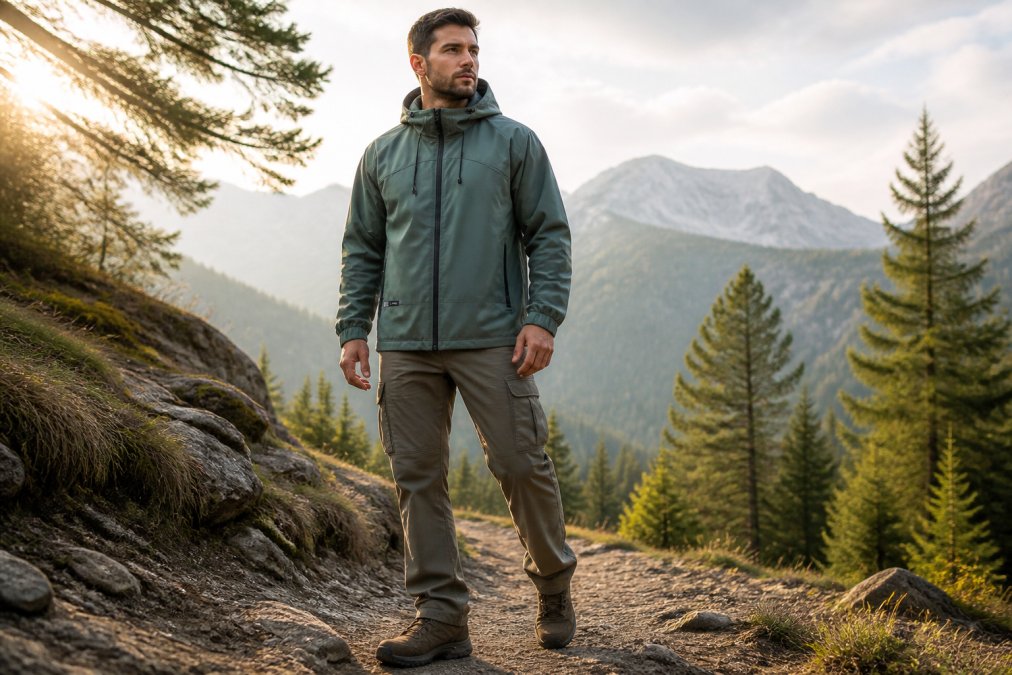
How to Choose Durable Outdoor Clothing That Performs
True durability combines fabric quality, construction method, and design purpose. A shirt that survives washing isn't durable if it tears on brush, and pants that look rugged aren't useful if seams split under load.
Start by reviewing the fabric composition and intended use. Technical synthetic fabrics can dry quickly and resist abrasion, while other materials may be more comfortable for everyday wear. The right choice depends on your weather, activity, and how hard you expect to use the garment.
Seam construction reveals durability intent. Look for even stitching, reinforced stress points, and finishing details that match the job the garment is meant to do. Clear product information is a good starting point, but real customer feedback about fit and repeated use can help you make a better decision.
Weight matters differently by activity. Lightweight gear can reduce bulk on long outings, while a heavier layer may make more sense for cold mornings or brush-heavy terrain. Match the garment to the activity instead of assuming the heaviest option is always the most durable.
What to Look for in Outdoor Apparel
Comfort and movement
Outdoor clothing should allow you to reach, bend, walk, and sit without constant adjustment. A comfortable fit gives you room to move while keeping the garment from bunching under another layer or pack. Use the size guide and compare measurements with a garment you already own.
Layering and versatility
A strong outdoor wardrobe uses pieces that work together. A tee can serve as a base layer, a hoodie can add warmth on cool mornings, and an outer layer can handle wind or rain. Versatile garments earn their place by working for more than one activity.
Weather and care
Before buying, review the product's material information, care instructions, and intended conditions. A layer that is easy to wash and maintain is more useful over time than one with features you cannot realistically care for.
Durability and Longevity: What Makes Outdoor Gear Last
The real test of durability arrives after multiple seasons of use. Gear that lasts five years costs less per year than gear that fails after one season, regardless of initial price.
Abrasion resistance determines how long fabric survives brush contact. Construction quality matters just as much. A torn seam can make a garment unusable long before the fabric itself fails, so pay attention to stitching, closures, and stress points.
Color and finish matter for gear used outdoors. Repeated sun exposure and washing can change how a garment looks, while damp storage can create odor or mildew. Good care protects both appearance and performance.
Durability is also about usefulness. A garment that stays comfortable, fits well, and works across several settings will be worn more often. That lowers its cost per wear and reduces the need for replacement purchases.
Comparing Price, Quality, and Value for Outdoor Investment
Price alone reveals nothing about value. A more expensive jacket that fails after one season costs more per year than a reasonably priced layer that remains useful for several seasons.
Calculate value by considering the garment's expected use, care requirements, fit, and versatility. A piece worn every week may be a better investment than a specialized item that only leaves the closet once a year.
Do not pay for features you will not use. Instead, spend on the details that matter for your activity: comfortable movement, dependable construction, appropriate weather protection, and a fit that supports layering.
| What to Compare | Why It Matters | What to Check |
|---|---|---|
| Fit | Supports movement and layering | Size guide and garment measurements |
| Construction | Affects lifespan under repeated use | Stitching, closures, and stress points |
| Versatility | Improves cost per wear | Works across activities and seasons |
| Care | Protects fabric and performance | Washing, drying, and storage instructions |
Gear Maintenance and Care for Extended Longevity
Proper maintenance transforms good gear into gear you can rely on. Read the care label before washing, use the recommended water temperature, and avoid harsh products that can damage technical fabrics or finishes.
Air drying is often gentler than high-heat machine drying. Make sure clothing is fully dry before storage, especially after a wet hunt, fishing trip, or long day outside. Store gear in a cool, dry place away from direct sunlight.
Inspect seams, pockets, cuffs, and closures regularly. Small repairs are easier than replacing a favorite garment after a minor problem becomes a major failure. Carrying basic repair supplies can also help on longer trips.
Rack & Ridge Outdoor Apparel
Rack & Ridge is built around hunting, fishing, and everyday outdoor life. The Outdoor Hoodie — Hunting Antler Logo is a versatile cool-weather layer for mornings outside, travel, and daily wear. The Mountain Antler Logo T-Shirt — Outdoor Hunting is an easy warm-weather option for time on the water, around camp, or out with family.
The Rack & Ridge Islander Performance Long Sleeve is another option for people who want a dedicated performance layer. Compare the product details, fit, and intended use with your own activities before ordering.


Conclusion
The best alternative to Prairie Sailor is not simply another logo. It is outdoor apparel that fits your activity, holds up to repeated use, and gives you useful value for the money. Focus on comfort, construction, versatility, and care before you buy.
Rack & Ridge offers active outdoor layers for hunters, anglers, and families who spend real time outside. Start with a dependable hoodie or tee, then build your wardrobe around the activities you actually enjoy.
Frequently Asked Questions
What makes outdoor clothing alternatives to Prairie Sailor worth considering?
Quality alternatives can offer a different mix of fit, versatility, construction, and value. Compare the features you will actually use rather than shopping by brand name alone.
How do I choose durable outdoor clothing?
Check material information, fit, stitching, closures, care instructions, and feedback from people who have used the garment repeatedly. Match the garment to your weather and activity.
What features matter most in performance apparel?
Prioritize comfortable movement, appropriate weather protection, useful layering, breathability, and easy care. The right combination depends on whether you hunt, fish, hike, work outside, or simply spend time outdoors with family.
How should I care for outdoor gear?
Follow the care label, use the recommended wash settings, avoid unnecessary high heat, dry gear completely before storage, and inspect small tears or seam problems early.
This article was written using GrandRanker