

Table of Contents
- What Makes Durable Country Clothing Different
- Essential Fabrics and Materials for Rural Living
- Best Workwear for Homesteading
- Essential Layering Guide for Outdoor Work
- How to Care for Canvas Work Pants and Other Heavy-Duty Pieces
- Key Features That Signal Quality and Longevity
- Building Your Rural Living Wardrobe
- Frequently Asked Questions
Last Updated: September 3, 2026
What Makes Durable Country Clothing Different
Country clothing needs to do more than look good. Whether you're fixing fences, working around the property, heading into the woods, or spending a long day outdoors, you want clothing that's comfortable, practical, and made for the conditions you face.
Durability starts with the details. Fabric choice, stitching, fit, and construction all affect how well clothing handles repeated wear. Reinforced seams can help in high-stress areas, while the right fabric weight provides a balance of comfort and protection.
Different jobs call for different materials. Canvas and denim can be useful for rugged work, while flannels, fleece, and weather-resistant outer layers help you adapt to changing temperatures. The goal isn't always to buy the heaviest clothing — it's to choose what works for your activities and the season.
At Rack & Ridge, we believe good outdoor clothing should feel right at home around the property, at deer camp, or on a quiet morning in the woods. Built for the Backwoods means choosing practical gear that fits the way you actually live.

Essential Fabrics and Materials for Rural Living
Choosing the right fabric makes a big difference when you're spending time outdoors. The best material depends on the weather, the work you're doing, and how much freedom of movement you need.
Canvas and denim are popular choices for rugged outdoor work. Their sturdy construction can help protect against everyday wear, but fabric weight and quality vary. Look for comfortable fits and reinforced stitching in areas that receive the most stress.
Cotton-polyester blends offer a useful balance of comfort and easy care. Cotton provides a familiar, soft feel, while polyester can help clothing retain its shape and dry more quickly. The exact performance depends on the fabric blend and construction.
For cooler days, flannel and fleece can make comfortable layering pieces. A flannel shirt works well around the property or at deer camp, while fleece can add warmth beneath an outer jacket. Choose layers based on the conditions rather than assuming heavier always means better.
At Rack & Ridge, we focus on practical outdoor style that fits everyday country living — from early mornings in the woods to evenings around the campfire.

Wool can be a useful choice for cooler weather because it provides insulation and can help manage moisture. Different types of wool vary in warmth, softness, and drying time, so choose clothing based on the conditions and how you plan to use it.
Water-resistant fabrics and treatments can help protect against light rain and moisture, but they aren't necessarily waterproof. Their effectiveness can decrease with wear and washing. Always follow the garment's care instructions and check whether a water-repellent treatment needs refreshing.
Best Workwear for Homesteading
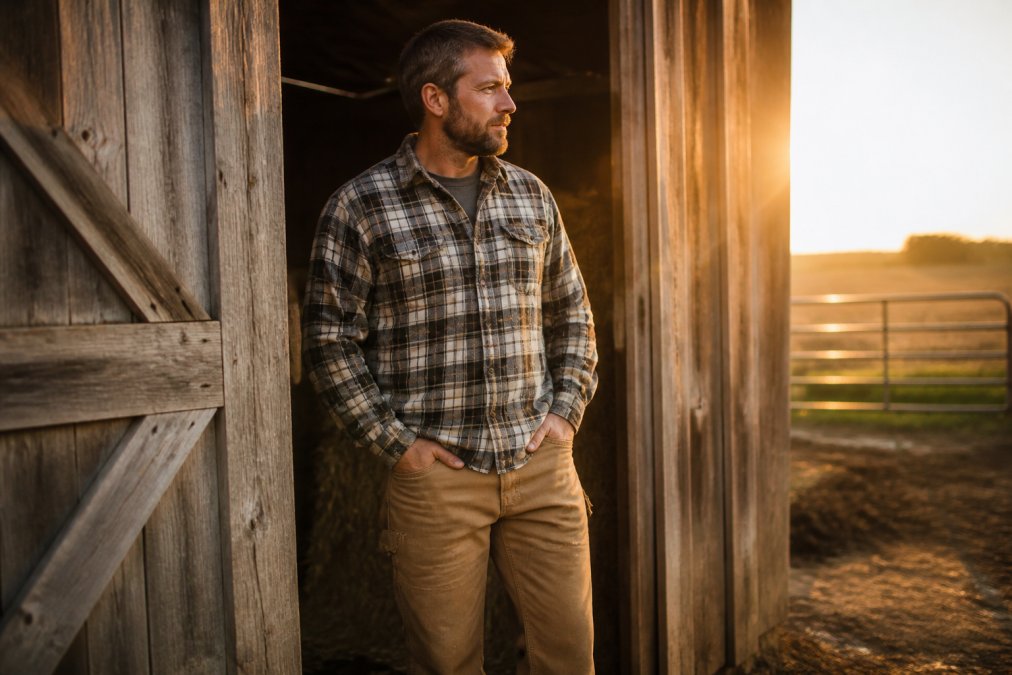
A practical country wardrobe starts with dependable basics. Flannel shirts are useful for cool mornings around the property, whether you're feeding animals, gathering firewood, or heading out for an early start. Look for comfortable fabrics, sturdy stitching, and a fit that allows easy movement.
Canvas and denim pants are popular choices for outdoor chores because they can handle everyday wear. Pay attention to fabric weight, reinforced pockets, and stitching in areas that experience frequent stress. The right fit matters just as much as the material, especially when you're bending, kneeling, or working for hours.
Layering helps you stay comfortable as temperatures change. A hoodie can provide an extra layer of warmth between a shirt and an outer jacket. For colder or wetter conditions, choose additional layers suited to the weather and your activity.
Good footwear is another important part of outdoor work. Look for boots with suitable traction, support, and protection for the conditions you'll encounter. Clean and maintain your boots according to the manufacturer's instructions to help extend their useful life.
A comfortable beanie or hat can make a big difference during chilly mornings around the property, at deer camp, or on the trail. The Rack & Ridge Sportsman Beanie adds a pop of blaze orange to your outdoor wardrobe and is a practical option for everyday cold-weather wear. Choose a fit that feels comfortable and stays in place as you move.
Vests and lightweight jackets fill the gap between shirt and heavy outerwear, providing core warmth while leaving arms free for movement.
Essential Layering Guide for Outdoor Work
Layering is one of the simplest ways to stay comfortable while working outdoors. Instead of relying on one heavy jacket, choose layers you can add or remove as the weather and your activity level change.
Base layer: This sits closest to your skin. For active work in cold conditions, moisture-managing materials such as merino wool or certain synthetic fabrics can help keep you comfortable. Choose a fit that allows easy movement.
Mid-layer: This provides additional warmth. Fleece, flannel, and other insulating layers can work well depending on the temperature. A comfortable hoodie can also be a practical option for everyday chores and time around the property.
Outer layer: Your outermost layer helps protect against wind, rain, and cold. Choose weather-resistant clothing for mild conditions and appropriately rated waterproof outerwear when you expect heavier rain. Check product specifications rather than assuming every jacket provides the same protection.
The best layering system depends on the weather, how active you'll be, and how long you'll be outside. Start with comfortable basics and adjust your layers throughout the day.
How to Care for Canvas Work Pants and Other Heavy-Duty Pieces
Taking care of your outdoor workwear can help it last longer. Whether you're wearing canvas pants around the property or denim for everyday chores, a little maintenance goes a long way.
Follow the care label. Different fabrics and finishes require different cleaning methods. Check the manufacturer's instructions before washing, drying, or applying treatments.
Wash when needed. Turn garments inside out when appropriate, use a suitable detergent, and avoid harsh cleaning products unless the care label recommends them.
Dry carefully. Excessive heat can cause shrinkage or damage certain fabrics. Air-drying may be a good option when recommended by the manufacturer.
Repair small damage early. A loose seam, missing button, or small tear is often easier to fix before it becomes a bigger problem.
Treat stains promptly. Follow fabric-specific stain-removal instructions and avoid applying heat until the stain has been removed.
Maintain weather-resistant finishes properly. Some waxed or treated canvas garments require special care. Use only products recommended for that particular fabric and finish.
Store clothing clean and dry. Keep workwear in a well-ventilated place to help prevent odors, mildew, and unnecessary wear.
Good maintenance doesn't make clothing indestructible, but it can help you get more use from the pieces you already own.
Key Features That Signal Quality and Longevity
Knowing what to look for in outdoor clothing can help you choose pieces that hold up to everyday use around the property, in the woods, or on the job.
Reinforced stitching: Check high-stress areas such as pockets, shoulders, crotch seams, and belt loops. Double stitching and reinforced seams can provide extra strength where clothing gets pulled and stretched.
Fabric weight and construction: Heavier fabric can offer greater abrasion resistance, but weight alone doesn't determine durability. The weave, fiber blend, and overall construction matter too.
Practical pockets: Look for pockets that are deep enough for what you carry, with secure openings and reinforced corners where needed.
Comfortable fabric blends: Cotton, polyester, wool, and blended fabrics each have advantages. Choose materials based on the weather, activity, comfort, and care requirements rather than assuming one blend is always best.
Quality dye and finishing: Check how well the garment's color and finish hold up to washing. Some fading is normal, particularly with denim and other dyed fabrics.
Well-finished hems and edges: Neat stitching, secure hems, and properly finished edges can help prevent fraying during regular wear.
Reliable buttons and zippers: Test closures for smooth operation and secure attachment. Strong hardware is especially important on jackets, work pants, and other frequently used pieces.
The best country clothing balances durability with comfort and freedom of movement. A garment that fits well and suits your daily activities is more useful than one that simply looks rugged.
Building Your Rural Living Wardrobe
Start with basics and add pieces intentionally rather than buying everything at once. A focused wardrobe of quality pieces serves better than a large collection of mediocre items.
Begin with two pairs of heavy-duty work pants in canvas or denim, one for everyday work and one in rotation for washing. Both should fit comfortably for bending, reaching, and active movement without restricting motion.
Add three to four flannel shirts in neutral colors and classic patterns. Flannel serves as a foundational layer you'll wear constantly, so quality matters significantly.
Include one quality hoodie for layering and temperature regulation. The Rack & Ridge Outdoor Hoodie provides warmth for cold mornings and transitions between seasons.
A long-sleeve shirt in a durable blend serves as a mid-layer and standalone piece. The Rack & Ridge Long Sleeve Pocket Tee in Realtree Edge offers rugged style without sacrificing comfort.
Add a quality beanie or hat for cold-weather protection. The Rack & Ridge Sportsman Beanie keeps you warm during early mornings and late evenings.
Include one canvas or waxed-cotton jacket for wind and light-rain protection.
Quality work boots with waterproof construction and ankle support are non-negotiable. Good boots last years and justify their cost through durability and injury prevention.
Wool socks for cold-weather work prevent blisters and maintain warmth better than cotton.
Building a practical rural wardrobe starts with choosing clothing that fits your everyday life. Whether you're working around the property, heading into the woods before sunrise, or spending a chilly morning outdoors, comfort, durability, and versatility matter.
At Rack & Ridge, we believe outdoor clothing should feel at home wherever the day takes you. Start with dependable basics, add layers for changing weather, and choose pieces that suit your activities and budget. Taking proper care of your clothing can also help you get more use out of every piece.
Explore Rack & Ridge for outdoor-inspired apparel made for the lifestyle you love. Built for the Backwoods.
Frequently Asked Questions
Q: What fabrics are most durable for durable country clothing?
A: Canvas, denim, and sturdy cotton-polyester blends are popular choices for country clothing because they balance durability, comfort, and practicality. Canvas is often chosen for workwear that faces rough surfaces, while denim offers flexibility and everyday versatility. Cotton-polyester blends can provide a comfortable balance of strength, breathability, and easier care.
When shopping, look beyond the fabric name. Consider its weight, weave, stitching, and intended use. Heavier fabric can be useful for demanding work, but the best choice depends on your activities, the weather, and how you care for your clothing.
Q: How do you layer clothing for year-round rural living?
A: Start with a breathable, moisture-wicking base layer to help manage sweat. Add a fleece, hoodie, or other insulating layer for warmth, then choose an outer jacket suited to the weather.
For cold, wet, or windy conditions, look for appropriate weather protection. During active outdoor work, adjust your layers as you warm up or cool down to help prevent overheating and discomfort.
The goal is simple: stay comfortable and prepared as the weather and your activity change throughout the day.
Q: What features should I look for in heavy-duty workwear?
A: Look for sturdy fabrics, reinforced stitching, and construction designed for the type of work you do. Pay attention to high-wear areas such as knees, pockets, seams, and elbows.
Double-stitched seams, reinforced pocket corners, and gusseted crotches can be useful features, especially when your work involves bending, lifting, or frequent movement.
Comfort matters just as much as durability. Choose clothing that fits properly, allows you to move freely, and suits the weather conditions you'll be working in.
Q: How can I maintain my country clothing to make it last longer?
A: Start by following the care instructions on each garment's label. Washing with similar colors, using an appropriate detergent, and avoiding unnecessary high heat can help preserve fabric and fit.
For flannels, canvas pants, and other outdoor clothing, choose washing and drying methods suited to the material. Repair small tears, loose buttons, or damaged seams before they become bigger problems.
Store clothing clean and completely dry, and check outdoor gear regularly for signs of wear. A little routine care can help you get more use out of the clothing you already own.
This article was written using GrandRanker