

Table of Contents
- What Makes Breathable Clothing for Summer Farm Chores Actually Work
- Moisture-Wicking Work Shirts for Farmers
- Sun Protection Clothing for Outdoor Work
- How to Prevent Heat Exhaustion During Farm Chores
- Footwear and Headwear for Long Days in the Heat
- Budget vs. Professional-Grade Summer Workwear
- Caring for Breathable Workwear So It Lasts
- Conclusion
- Frequently Asked Questions
Last Updated: September 20, 2026
What Makes Breathable Clothing for Summer Farm Chores Actually Work
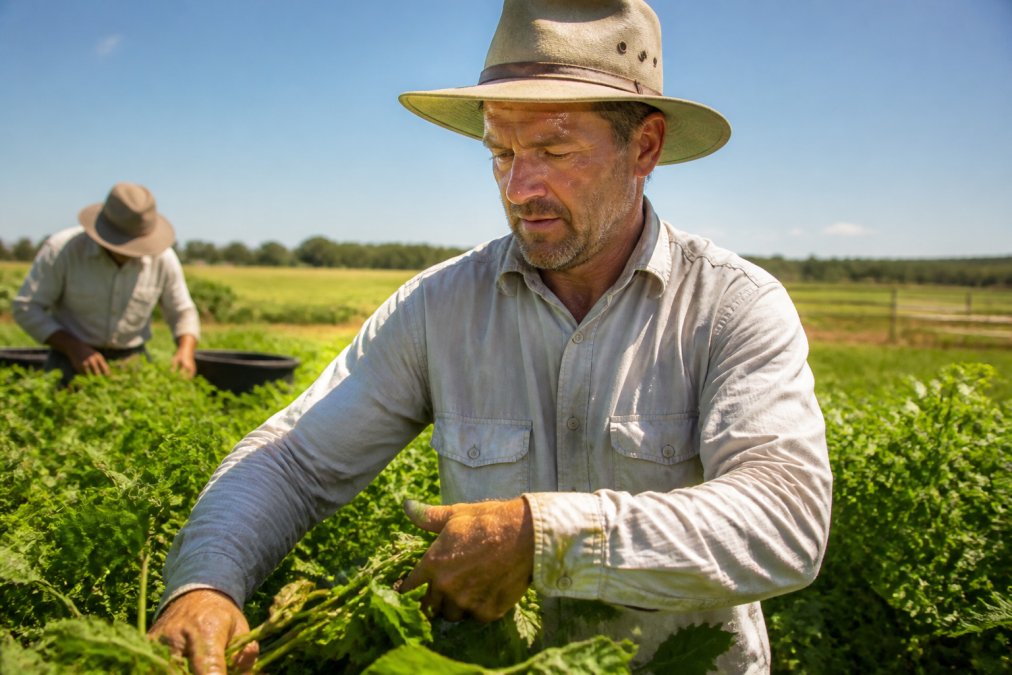
Breathable clothing for summer farm chores is workwear built to move heat and sweat away from your body while standing up to fence lines, hay bales, and livestock. Get it right and a long July afternoon feels manageable. Get it wrong and you're soaked, chafed, and worn out by noon.
Fabric Types That Breathe
Cotton is comfortable and cheap, but it soaks up sweat and stays wet. Once it's saturated, it stops cooling you and starts weighing you down.
Fabric |
Breathability |
Dries Fast |
Durability |
Best For |
|---|---|---|---|---|
Cotton |
Moderate |
No |
Good |
Light, dry work |
Linen |
High |
Moderate |
Low |
Short, hot tasks |
Merino wool |
Moderate |
Moderate |
Moderate |
Cool mornings, odor control |
Synthetic blend |
High |
Yes |
High |
Long, sweaty days |
Moisture-Wicking Work Shirts for Farmers
A moisture-wicking shirt moves sweat off your skin and spreads it across the fabric so it evaporates fast. That's the whole job, and it matters more than any label claim.
Sun Protection Clothing for Outdoor Work
Sun protection clothing is workwear rated for UV coverage, usually listed as a UPF number. UPF 50+ blocks the vast majority of UV radiation that reaches the fabric, which matters when you're outside for eight hours.
How to Prevent Heat Exhaustion During Farm Chores
Heat exhaustion prevention comes down to four things: water, shade, pacing, and watching for warning signs. Heat-related illness is preventable, and the early signals are easy to miss when you're focused on the job. Most gear guides stop at "wear breathable fabric and drink water." That's not enough when you're throwing square bales in July or working cattle in full sun.
Match the Pace to the Chore
Not every task carries the same heat load. A few patterns that hold up across most operations:
- Livestock handling and moving animals: short bursts of hard effort, often in open pens with no shade. Work in the coolest window you can, keep sessions short, and rotate people through the pen rather than leaving one person in the dust and sun for an hour.
- Haying and baling: the heaviest sustained effort of the summer. Start at first light, take a real break mid-morning, and treat the afternoon as a second, shorter shift if you can. Baling in the heat of the day is where people go down.
- Fence work and post driving: steady, repetitive, and often in full sun with no windbreak. This is a good task to split into morning and evening blocks with a shaded lunch in between.
- Machinery maintenance and repair: often done in a hot shop or beside a hot engine. Hydrate before you start, not after you're already soaked.
Hydration That Actually Works
Drink water regularly rather than waiting until you're thirsty. For prolonged work in the heat—especially when heavy sweating continues for hours—electrolyte-containing beverages may also help replace salts lost through sweat.
Acclimatize Before You Push
Your body adapts to heat over about one to two weeks of regular exposure (the CDC). If you've been in air conditioning or off the farm for a stretch, don't jump straight into a full haying day. Start with shorter sessions, build up over several days, and let your body catch up. This is one of the most overlooked pieces of summer work safety, and it's free.
A Simple Break Schedule
Plan breaks around the conditions, workload, and how workers are responding to the heat. As heat stress rises, take more frequent and longer breaks in shade or another cool area. Schedule strenuous work for cooler parts of the day when possible, keep drinking water nearby, and stop work if signs of heat illness develop.
One more thing worth saying plainly: watch your crew, and ask them to watch you. People are bad at noticing their own symptoms. A teenager on their first haying crew, a parent who won't admit they're struggling, a neighbor helping out for the day, all of them need someone else to call the break. That's part of looking out for each other.
Footwear and Headwear for Long Days in the Heat
Supportive boots and breathable headwear do more for a hot workday than most people expect. Your feet take the worst of it, and your head controls how fast you overheat.
Budget vs. Professional-Grade Summer Workwear
Budget workwear usually means heavier fabric, fewer breathability features, and a shorter useful life. Professional-grade gear costs more up front and holds up longer, which changes the math over a few seasons.
Rack & Ridge Performance Long Sleeve →
Here's how to think about it:
- Budget tier: fine for light chores, short days, and occasional use
- Mid tier: better fabric blends and moisture management for regular work
- Professional grade: performance fabrics, reinforced construction, and sun protection built in
Caring for Breathable Workwear So It Lasts
Proper fabric care can help breathable workwear maintain its performance and last longer. Performance fabrics lose their wicking ability when they're coated in fabric softener or dried on high heat, and farm work adds a layer of abuse most laundry advice never addresses.

Why Softener and Heat Kill Wicking
Moisture-wicking fabrics work by pulling sweat along the fibers to the surface where it can evaporate. Fabric softener leaves a waxy residue that coats those fibers and blocks the movement. Once that film builds up, the shirt still feels soft but stops moving sweat. High dryer heat does similar damage over time, breaking down the fiber structure that gives the fabric its stretch and its breathability.
Farm-Specific Stains and Contaminants
Manure, diesel, grease, and pesticide residue are harder on fabric than sweat ever will be. A few practical habits:
- Rinse manure and mud off before it dries. Hose the worst of it off outside, then wash. Dried manure sets into the weave and abrades fibers from the inside.
- Treat grease and diesel spots before washing. A degreasing dish soap worked into the stain with a soft brush, then washed normally, handles most of it. Washing grease without pretreatment just spreads it.
- Handle pesticide-exposed clothing separately. If clothing may have been exposed to pesticides, follow the product label and any state or university extension guidance for that specific chemical. Do not wash pesticide-contaminated workwear with the rest of the family's laundry.
- Wash workwear separately from towels and bedding. Abrasive lint and heavy items wear down performance fabric faster.
A Simple Wash Routine
- Wash in cold water with a mild detergent
- Skip fabric softener and dryer sheets, which clog the fabric
- Air dry when you can, or tumble on low
- Turn shirts inside out to protect the outer face from abrasion
- Wash after every heavy sweat day, not at the end of the week
Odor and Longevity
Performance fabrics can hold odor if bacteria get established in the fibers. Washing promptly, avoiding softener, and air drying all help. If a shirt still smells after a normal wash, a pre-soak in a mix of cold water and a small amount of white vinegar before the regular wash is a common fix. Don't mix vinegar and bleach in the same load.
When to Retire a Shirt
A work shirt is done when the fabric has lost its stretch, the seams are pulling, or it stays damp long after you've stopped sweating. Those are signs the wicking structure is gone and the shirt is now just a heavy layer. Retiring it to shop-rag duty and replacing it with a fresh performance piece is usually cheaper than fighting a shirt that no longer does its job.
Conclusion
Summer farm chores don't get easier, but the right clothing makes them survivable. Focus on moisture-wicking fabrics, real sun protection, breathable headwear, and supportive boots, then take care of the gear so it takes care of you.
Frequently Asked Questions
What should I wear for farm work on a hot day?
Start with a lightweight, moisture-wicking long-sleeve shirt and breathable pants. A wide-brim hat and supportive boots finish the setup. Light colors reflect heat, and loose fits allow airflow. Cotton works for dry conditions, but synthetic blends or merino wool handle sweat better. Avoid dark, heavy fabrics that trap heat and restrict movement during physical labor.
Is it better to wear long sleeves or short sleeves for sun protection on the farm?
Long sleeves offer better sun protection clothing for outdoor work, especially when rated UPF 40 or higher. They also reduce direct sun exposure on arms, which lowers skin cancer risk over time. Choose lightweight, breathable fabrics so you stay cool. Short sleeves feel cooler initially but leave skin exposed to UV rays and scratches from brush or fencing.
How can moisture-wicking clothing improve comfort during long days outdoors?
Moisture-wicking work shirts for farmers pull sweat away from your skin to the fabric surface, where it evaporates faster. This keeps you drier, reduces chafing, and helps regulate body temperature. Synthetic blends and merino wool excel at this. Cotton holds moisture and gets heavy, which can lead to discomfort and faster fatigue during extended physical labor.
What are the signs of heat exhaustion and when should I stop working?
Watch for heavy sweating, weakness, cold or clammy skin, nausea, muscle cramps, and dizziness. If you notice these, move to shade, drink water, and cool down immediately. Heat exhaustion can escalate to heat stroke, which is a medical emergency. Take regular breaks in a cool or shaded area, drink fluids frequently, and increase the frequency and length of breaks as heat stress rises.