

Table of Contents
- What Makes a Fabric Waterproof for Hiking
- Common Waterproof Fabric Types
- Waterproof Coatings and Durable Water Repellent Treatments
- How to Wash Waterproof Hiking Gear
- Choosing Waterproof Fabrics for Your Climate
- Durability and Repairability of Technical Fabrics
- Frequently Asked Questions
Last Updated: October 3, 2026
What Makes a Fabric Waterproof for Hiking
When you're on the trail and the weather turns, the difference between staying comfortable and getting soaked often comes down to the fabric and construction of your jacket or rain pants. Whether you're hiking, scouting, fishing, or making your way through wet woods, the best waterproof fabrics aren't just about blocking rain. They also need to handle movement and help manage moisture while you're active.
Waterproof fabrics work through a combination of material construction, protective coatings, and sealing techniques. A truly waterproof fabric keeps water out while allowing moisture vapor (sweat) to escape. This balance is what separates gear that works from gear that leaves you clammy and uncomfortable.
Hydrostatic Head Ratings Explained
Hydrostatic head (HH) is the measurement of water pressure a fabric can withstand before water penetrates through it. It's expressed in millimeters, and the higher the number, the more water resistance the fabric offers. A rating of 1,000 mm means the fabric can resist the pressure of a 1,000 mm column of water before leaking.
Hydrostatic head ratings can help you compare waterproof fabrics, but the right rating depends on the conditions, length of exposure, activity level, and overall garment construction. Lower ratings may be suitable for lighter or shorter periods of rain, while higher ratings can provide additional protection for longer exposure or more demanding conditions. Torrent Waterproof Jacket.

Hydrostatic head is useful because rain isn't the only way pressure can be placed against waterproof fabric. Kneeling on wet ground, leaning against a wet surface, carrying a pack, and prolonged exposure to rain can all put additional demands on your outer layer. That's why the rating is useful—but it shouldn't be the only thing you consider..
Breathability vs. Waterproofing
Here's the tension every waterproof fabric must balance: blocking water while letting sweat escape. Breathability is measured in grams per square meter per 24 hours (g/m²), also called moisture vapor transmission rate (MVTR). Higher numbers mean more breathability.
A fabric with excellent waterproofing but poor breathability will keep rain out but trap your sweat inside, leaving you wet from the inside. A fabric can offer strong rain protection and still feel uncomfortable if moisture from activity can't escape efficiently. That's why waterproofing and breathability should be considered together. If you're hiking uphill, scouting through the woods, or covering ground while carrying gear, breathability can become just as important to comfort as keeping rain out.
The key is matching the breathability to your activity level. Hiking uphill generates significant body heat and moisture. A jacket that breathes well prevents the clammy feeling that makes you want to unzip in the rain, and then get soaked.
Common Waterproof Fabric Types
The fabrics used in hiking gear fall into distinct categories, each with different strengths and trade-offs. Understanding these types helps you choose gear suited to your actual conditions.
Ripstop Nylon and Polyester Shells
Ripstop nylon and polyester are often paired with waterproof coatings or membranes to provide rain protection. A durable water-repellent (DWR) treatment may also be applied to the outer surface to help water bead and roll off rather than soaking into the face fabric.
These fabrics form the base of most waterproof shells. On their own, they're water-resistant but not waterproof. That's where coatings come in. A ripstop nylon or polyester shell becomes truly waterproof when coated with polyurethane or treated with durable water repellent (DWR) finishes. The Torrent Waterproof Jacket uses a 100% polyester waterproof shell, which is lightweight and packable, and packs into an included carry pouch for easy transport.
Lightweight ripstop shells can work well when packability and low weight matter. Because an outer shell typically provides weather protection rather than substantial insulation, it can be paired with insulating layers underneath when temperatures drop.
Laminated Membranes and Three-Layer Construction
Laminated membranes are thin layers bonded to other fabrics to help prevent outside moisture from passing through while allowing some moisture vapor from inside the garment to escape. They are commonly used in waterproof and waterproof-breathable outdoor clothing.
In a three-layer construction, the outer face fabric, waterproof membrane, and inner protective layer are bonded together. This type of construction is commonly used in outdoor shells designed for wet conditions and repeated use. Performance varies by the materials, membrane, seam construction, and overall garment design.
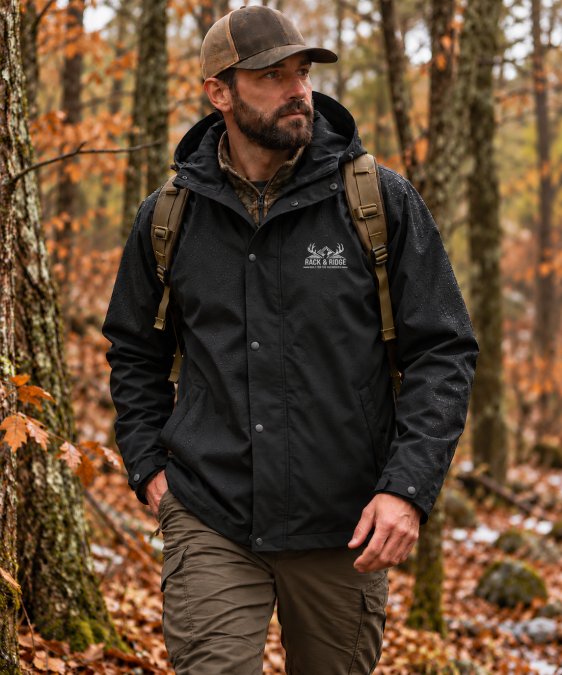
Three-layer construction can provide a durable option for extended wet-weather use, although weight, packability, breathability, and price vary considerably between garments. The best choice depends on the conditions you'll encounter and how you'll use the jacket.
Soft Shell vs. Hard Shell Materials
Hard shells are designed primarily for weather protection and typically use a waterproof membrane or coating along with sealed seams. They can provide strong protection in sustained rain, although breathability, flexibility, weight, and comfort vary by fabric and construction.
Soft shells generally prioritize flexibility, breathability, and comfort while offering varying levels of wind and water resistance. Some soft-shell garments provide greater rain protection than others, so check the manufacturer's specifications rather than assuming every soft shell is waterproof. They can work well for active days in the woods when freedom of movement and breathability matter.
Some outdoor enthusiasts use different outer layers for different conditions—for example, a more protective rain shell for sustained wet weather and a breathable soft shell for cooler, active conditions. Consider the forecast, activity level, terrain, and how long you expect to be exposed to rain when choosing between them.
Waterproof Coatings and Durable Water Repellent Treatments
Coatings and water-repellent treatments are two of the ways outdoor fabrics manage moisture. They can help prevent water from soaking into the outer fabric, while membranes, fabric construction and seam sealing can provide additional weather protection.

Polyurethane Coatings and DWR Treatments
Polyurethane (PU) coatings can be applied to fabrics to create a water-resistant or waterproof barrier, depending on the construction and application. They're commonly used in outdoor gear because they can provide effective weather protection without adding excessive weight.
Like other coatings and finishes, performance can change over time with use, abrasion, washing, and exposure to the elements. Always follow the garment manufacturer's care instructions when cleaning or restoring water protection.
Durable water repellent (DWR) is a treatment applied to the outer surface of a fabric that helps water bead up and roll off rather than soaking into the face fabric. DWR itself does not necessarily make a garment waterproof; it works alongside the fabric, membrane, or coating and seam construction to help manage wet conditions.
The Rack & Ridge Torrent Waterproof Jacket uses a polyester shell with waterproof protection, while the Packable Wind & Rain Resistant Anorak Jacket is designed for wind and rain resistance. Always follow the care instructions for each garment to help maintain its weather-resistant properties.
Environmental Considerations for DWR Treatments
Some traditional water-repellent treatments have used PFAS, a broad group of chemicals known for their persistence in the environment. Because of environmental and regulatory concerns, the outdoor industry has increasingly moved toward alternative water-repellent treatments.
The chemistry and performance of these alternatives vary by manufacturer and product. If this is important to you, check the manufacturer's specifications for information about the particular DWR treatment used rather than assuming all waterproof or water-resistant garments use the same chemistry.
Seam Sealing and Construction Techniques
Even a highly water-resistant fabric can allow moisture through areas where the material has been stitched together. That's why seam construction is an important part of waterproof outerwear.
Seam tape is commonly used in waterproof outerwear to cover stitched seams from the inside and reduce potential entry points for water. Some garments tape all seams, while others seal only critical areas such as the shoulders and hood.
Manufacturers may use different seam-sealing methods depending on the garment's intended use and construction. When comparing rain gear, check whether seams are fully sealed, critically sealed or unsealed rather than judging waterproof performance by the outer fabric alone.
Zipper construction matters too. Water-resistant or waterproof-style zippers, storm flaps and other protective designs can help limit water entry. The level of protection varies, so check the garment specifications when sustained rain protection is important.
How to Wash Waterproof Hiking Gear
Washing your waterproof gear correctly preserves its performance. Proper care can help waterproof and water-resistant outerwear perform as intended. Because fabrics, membranes, coatings, and finishes vary, always follow the garment manufacturer’s care label first.
Some technical outerwear requires special cleaning products or specific wash and drying instructions. Avoid adding products such as fabric softener unless the manufacturer specifically allows them, and use the recommended water temperature, cycle, and drying method for that garment.
Machine wash your jacket in cold water on a gentle cycle. Use a mild detergent; many manufacturers recommend specialized technical gear wash, but regular mild detergent works if you avoid fabric softener. Dry on low heat or hang-dry. High heat can damage the coating.
For Rack & Ridge products, follow the care instructions listed on the product page or garment label rather than applying one washing method to every jacket.
DWR Coating Maintenance and Reapplication
If water stops beading on the outer surface and begins soaking into the face fabric, the garment’s water-repellent finish may need attention. That does not automatically mean the waterproof layer underneath has failed.
Some garments can be refreshed with a compatible DWR treatment, but spray-on and wash-in products are not interchangeable for every garment. Follow the jacket manufacturer’s care instructions and the DWR product directions before applying any treatment.
Reapply a water-repellent treatment only when needed and when recommended for that garment. Frequency depends on use, washing, abrasion, and the original finish.
Choosing Waterproof Fabrics for Your Climate
The best waterproof or water-resistant outer layer depends on more than climate alone. Consider how much rain you expect, how active you’ll be, how long you’ll be outside, the temperatures you’ll encounter, and whether you’re hiking open trails, scouting through brush, fishing, or spending long periods at camp.
In humid or rainy conditions, breathability can matter because moisture from activity may build up inside the garment. In drier environments, packability and occasional rain protection may matter more. In cold or exposed conditions, your outer shell should also work with the insulating layers you plan to wear underneath.
Durability and Repairability of Technical Fabrics
Waterproof fabrics and outerwear can wear over time, especially with repeated use, abrasion, washing, and exposure to the elements. How long a garment lasts depends on its materials, construction, use, and care.
Common areas to inspect include seams, zippers, high-wear areas, and the outer face fabric.
If layers begin separating or bubbling, check the manufacturer’s guidance because some forms of delamination may not be practical to repair at home.
Some small tears or seam issues may be repairable with products designed for that specific fabric, while other damage may require professional repair or manufacturer service. Follow the garment manufacturer’s repair guidance before applying seam sealers, patches, or adhesives.
Repair options vary by fabric and construction. Some small tears in woven shell fabrics can be patched with compatible repair tape, while laminated or membrane-based garments may require a more specific repair method.
Following the care instructions for each Rack & Ridge jacket can help protect its appearance and performance over time.
Choosing the right waterproof fabric for hiking comes down to matching the garment to the conditions you actually face. Think about how long you'll be outside, how active you'll be, how much rain you expect, and whether you're hiking open trails, scouting wet woods, fishing, or spending the day around camp. Waterproof ratings matter, but so do breathability, seam construction, fit, layering, and proper care.
Frequently Asked Questions
What's the difference between waterproof and water-resistant fabrics?
Waterproof fabrics are designed to prevent water from passing through under specified conditions, while water-resistant fabrics provide more limited protection and may allow moisture through during prolonged or heavy exposure. Waterproof performance depends on more than the fabric alone—coatings or membranes, seam construction, zippers, and overall garment design can all affect how well a jacket handles wet conditions.
How do breathable waterproof membranes work?
Waterproof-breathable membranes are designed to limit outside water from passing through while allowing some moisture vapor generated by your body to escape. Different membrane technologies accomplish this in different ways. Breathability may be expressed using measurements such as moisture vapor transmission rate (MVTR), but real-world comfort also depends on temperature, humidity, activity level, ventilation, and the garment's overall construction.
What does denier mean when comparing waterproof hiking fabrics?
Denier is a measurement of the linear density of fibers or yarns used in a fabric. A higher denier can indicate a heavier, more substantial material, but denier alone doesn't determine durability. Fiber type, weave, coatings, construction, and intended use also matter. When comparing hiking or outdoor gear, consider denier alongside the garment's weight, abrasion resistance, and overall construction.
How should I maintain DWR coating on my waterproof hiking gear?
Start with the manufacturer's care instructions for your specific garment. Cleaning and drying recommendations vary by fabric, membrane, and finish. If water stops beading on the outer fabric, the DWR treatment may need to be refreshed or reapplied. Use only a treatment that's compatible with the garment and follow both the clothing manufacturer's and treatment manufacturer's instructions.