Best Giltee Alternatives for Apparel in 2026

Best Giltee Alternatives for Apparel in 2026

Table of Contents

Last Updated: September 7, 2026

Why Look Beyond Giltee for Your Next Apparel Purchase?

The search for the best giltee alternatives for apparel usually starts the same way: you see a graphic hoodie from a big outdoor brand, like the look, and then wonder if the quality justifies the price tag. Brand names rarely tell you how a garment will hold up after a season of hard use. The real question is whether the fabric, stitching, and print will survive real life, not just a catalog photo.

Most shoppers discover that the best giltee alternatives for apparel come down to technical specifications rather than marketing. A hoodie might look rugged on a model, but the fabric weight, shrinkage resistance, and seam integrity determine if it still fits next fall. The good news is that you do not need to be a textile expert to make a smart choice; you just need to know what to check before you buy.

Below, we will show you exactly how to evaluate outdoor clothing so you get durable construction and honest value. You will learn which fabric weights matter, how to spot print quality that lasts.

How We Picked the Best Giltee Alternatives for Apparel

We evaluated dozens of options against a simple benchmark: would this garment still look good and function properly after a full year of wear? Our criteria focused on the technical details that determine whether clothing becomes a favorite or gets relegated to the rag bag.

The selection process weighed five factors equally:

  • Fabric quality: Weight, fiber composition, and whether the material is ring-spun cotton or a performance blend
  • Durability: Shrinkage resistance, double-needle topstitching, and neck tape that prevents stretching
  • Print compatibility: Whether the fabric accepts direct-to-garment (DTG) and screen printing without cracking
  • Fit consistency: Cut that matches real body shapes, not just sample sizes
  • Price-to-quality ratio: Cost per wear over multiple seasons, not just the initial price

A common mistake is assuming all fleece is created equal. The difference between a 7.0 oz three-end fleece and a thin 4.5 oz knit is the difference between a layer that blocks wind and one that clings awkwardly. For essential clothing for rural living, the heavier options consistently outperform lighter fabrics in both warmth and shape retention.

Giltee Alternatives Comparison Table

Most roundups stop at a simple price check, but a garment's true cost is calculated in cost-per-wear. To make an informed choice, you need to compare the technical specifications that dictate longevity and performance. The table below synthesizes the key data points across the most common apparel categories, moving beyond brand names to focus on the measurable attributes that matter.

Category Fabric Weight (oz/yd²) Typical Fiber Composition Price Range (USD) Key Durability Indicator Best Use Case
Heavyweight Fleece Hoodie 8.0 - 8.5 80/20 Cotton/Polyester $45 - $70 Three-end fleece construction; minimal pilling after 10 washes Cold-weather layering, workwear, extended outdoor wear
Midweight Fleece Hoodie 7.0 - 7.5 52/48 Cotton/Polyester $35 - $55 Smooth exterior face; resists snagging Mild weather, casual wear, gym
Lightweight Tee 4.5 - 5.5 100% Ring-Spun Cotton $20 - $35 Combed cotton for softness; ribbed collar retains shape Everyday base layer, warm climates
Heavyweight Flannel 6.0 - 7.0 (or 200+ g/m²) 60/40 Cotton/Polyester $55 - $75 Double-layer yoke; brush-resistant finish Work shirt, insulation layer over a tee

Interpreting the Data for Your Needs

This data reveals a critical insight: the price range is often a poor indicator of quality. A $35 midweight hoodie might use a 7.0 oz/yd² fleece, but a $50 heavyweight hoodie with an 8.25 oz/yd² three-end fleece will offer significantly better warmth and structural integrity. The key is to look for the specific weight and construction details, not just the price tag.

For instance, a heavier GSM (grams per square meter) in flannel, typically 170 g/m² or higher, is a reliable indicator of a work-ready layer, whereas a lighter flannel is more suited for fashion. Similarly, the fiber composition dictates performance: a higher cotton content offers breathability and softness, while a higher polyester content adds durability and moisture-wicking properties. Understanding these trade-offs allows you to select a garment that fits your specific climate and activity level, ensuring your investment is sound.

Rack & Ridge: Built for the Backwoods

For our top pick, we are choosing our own Rack & Ridge line from Rack & Ridge. The collection was designed specifically for people who need apparel that performs in the field but still looks intentional at the diner afterward.

Rack & Ridge Buffalo Plaid Logo Flannel
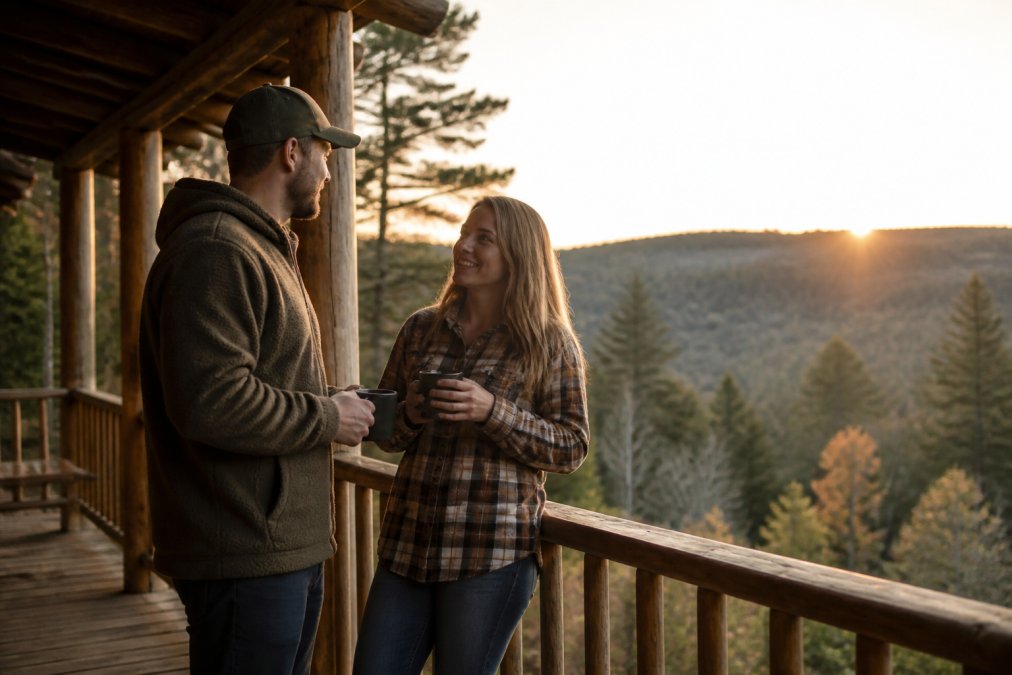
A man in a fleece hoodie and a woman in a plaid flannel standing on a wooden porch at sunrise, with a forest and hills in the background, holding mugs of coffee

The "Earn Your Antlers" Hoodie at $52.58 represents everything we look for in giltee alternatives. It uses an 80/20 combed ring-spun cotton and recycled polyester fleece. The three-panel hood frames your face against wind, the kangaroo pocket holds hand warmers or a phone, and the twill necktape prevents the collar from stretching into a useless loop.

"Earn Your Antlers" Hoodie | Rack & Ridge

Construction details separate this hoodie from cheaper options. Double-needle topstitching means the seams will not pop under stress, and the tear-away label eliminates the itchy tag that ruins otherwise good shirts.

Key Takeaway A quality hunting hoodie should specify its fabric weight and shrinkage percentage. If a brand does not list these details, assume the garment will not survive repeated washes.

Essential Clothing for Rural Living: What Actually Matters

When you live rurally, your clothing is workwear first and fashion second. Essential clothing for rural living needs to transition from a morning tree stand to a trip into town without requiring a complete wardrobe change. This reality shapes every recommendation we make about how to choose quality outdoor apparel.

The Rack & Ridge Buffalo Plaid Logo Flannel at $72.74 exemplifies this dual purpose. Its heavyweight 60/40 cotton-poly fabric at 200 g/m² provides structure without stiffness, and the double-layer back yoke adds durability where you need it most. The campfire patch and Rack & Ridge branding give it character without turning it into a billboard.

For layering, the "Chase the Rut" Hoodie in Tan offers the same construction quality in a color that works with camo pants or jeans. The earthy tan tone hides trail dust better than black or white, and the smooth exterior keeps the buck graphic clean and sharp through dozens of washes.

"Chase the Rut" | Rack & Ridge Hoodie — Tan
Watch Out The biggest mistake rural shoppers make is buying fashion-weight flannels that look right but tear at the elbow within months. Always check the GSM (grams per square meter) rating; anything below 170 g/m² is a shirt, not a work layer.

How to Choose Quality Outdoor Apparel That Lasts

Choosing apparel that survives real-world conditions requires a shift from evaluating graphics to scrutinizing construction. While the print is the initial draw, the fabric's weave and the stitching's integrity are what determine a garment's lifespan. Here is a technical breakdown of what to inspect before you buy.

1. Fabric Weight and GSM: The Foundation of Durability

Fabric weight is the single most important predictor of a garment's warmth and durability. For fleece, look for a weight between 7.0 and 8.5 oz/yd². A 7.0 oz/yd² fleece is a versatile, midweight option, while an 8.25 oz/yd² three-end fleece is a heavyweight layer that will block wind and resist abrasion. For t-shirts, a 4.5 oz/yd² is a standard, breathable weight, but for a more durable, structured feel, consider a 5.5 oz/yd² option. For flannels, the metric is GSM (grams per square meter). A flannel rated at 170 g/m² is a lightweight fashion shirt; a 200 g/m² flannel is a true workhorse layer that will hold up to friction and repeated washing (peer-reviewed research).

2. Print Compatibility: DTG vs. Screen Printing

The printing method is not just about aesthetics; it is a key factor in longevity. Direct-to-garment (DTG) printing applies ink directly into the fabric fibers, resulting in a soft hand-feel that does not crack or fade easily (the FDA). This method is ideal for detailed, multi-colored graphics on cotton-based fabrics. Direct-to-film (DTF) is a newer process that creates a durable, flexible film that adheres well to both cotton and polyester blends, making it a good choice for performance wear. Traditional screen printing, while cost-effective for large orders, lays a layer of plastisol ink on top of the fabric. This layer is prone to cracking and peeling over time, especially on high-stress areas like elbows and shoulders. For apparel meant for active use, DTG or DTF prints will significantly outlast a screen print.

3. Stitching and Seam Integrity

A garment is only as strong as its seams. Look for double-needle topstitching on all major seams, shoulders, armholes, and side seams. This simple detail prevents seams from popping under stress. Check the collar: a ribbed collar with a twill necktape will hold its shape, while a collar without tape will stretch out into a floppy loop after a few washes. For shirts, examine the placket and buttonholes; reinforced stitching in these areas prevents the most common points of failure.

4. Fit for Function

A standard fit with raglan sleeves is the most functional for outdoor work and activity. Raglan sleeves allow for a full range of motion without pulling the body of the garment, which is essential for drawing a bow, swinging an axe, or lifting gear. Avoid slim-fit cuts for workwear, as they restrict movement and put undue stress on the seams. A proper functional fit should allow you to layer a midweight fleece under a heavier jacket without feeling constricted.

The Verdict on Giltee Alternatives

The market for outdoor-inspired apparel is crowded, but the best giltee alternatives for apparel share one trait: they prioritize construction over branding. A garment that specifies its fabric weight, uses ring-spun cotton, and reinforces its seams will outlast three cheaper options combined.

For most rural families and hunters, the Rack & Ridge collection from Rack & Ridge delivers the best balance of durability, comfort, and honest pricing. The "Lipstick & Broadheads" Women's Hoodie at $52.57 and the "Silence Is Strategy" Hoodie at $52.57 both use the same medium-heavy 3-end fleece construction that has proven itself through real seasons in the field.

Supply chain transparency also matters. When a brand tells you exactly where a garment is made and what materials it uses, as the Sustainable Apparel Coalition's materials guidelines encourage, you can trust that the quality claims match reality. The best apparel for country living comes from brands that treat you like a neighbor, not a transaction.

Frequently Asked Questions

What makes a good giltee alternative for hunting apparel?

A good giltee alternative needs durable construction, the right fabric weight, and a fit that allows full range of motion. Look for ring-spun cotton or cotton-poly blends with a GSM of 240 or higher for hoodies. Double-needle topstitching, reinforced seams, and under 5% shrinkage are signs the garment will survive repeated washings and tough days in the field.

How does fabric quality impact the longevity of outdoor apparel?

Fabric quality is the single biggest factor in how long a garment lasts. Ring-spun cotton is softer and more durable than regular cotton because the fibers are twisted into finer yarns. A higher GSM, typically 240-280 for midweight fleece, means denser fabric that resists pilling and holds its shape. Recycled polyester blends add strength and improve moisture-wicking without sacrificing comfort.

Are premium apparel brands worth the higher price for rural living?

For essential clothing for rural living, the price-to-quality ratio matters more than the sticker price. A hoodie built with 80/20 combed ring-spun cotton and recycled polyester can offer significant value. You are paying for garment longevity, durable construction, and fit consistency. If you spend real time outdoors, the cost-per-unit over years of wear makes premium options the better value.

What is the difference between DTG and screen printing on outdoor apparel?

DTG (direct-to-garment) printing works like a printer on fabric, which allows detailed, full-color graphics without a heavy hand-feel. Screen printing pushes ink through a mesh stencil, creating thicker, more durable prints that handle heavy washing well. For hunting apparel with intricate back graphics, DTG provides sharper detail. For simple logos, screen printing is cost-effective for bulk ordering.


Choosing the right apparel should not require a degree in textile science. The challenge is finding brands that respect your time and your wallet by building garments that last. The Rack & Ridge collection specifically for families who need clothing that works as hard as they do, with fabric specifications you can verify and construction details you can feel. Join our email list to get first access to new outdoor gear and honest reviews of what holds up in real conditions.