

Table of Contents
- Why These 5 Essentials Matter for Family Camping
- 1. A Reliable Tent: Your Best Tent for Family Camping
- 2. A Comfortable Camping Sleep System for Families
- 3. Camp Kitchen and Cooking Supplies
- 4. Weather-Appropriate Clothing and Footwear
- 5. Camping Safety Gear for Families
- Building Your Family Camping Essentials Checklist
- Gear Choices by Age and Budget
- Frequently Asked Questions
Last Updated: October 8, 2026
Why These 5 Essentials Matter for Family Camping
Family camping isn't about having the fanciest tent or the most expensive gear. It's about getting outside together, making memories, and giving everyone a chance to enjoy the outdoors.
Some of the best camping moments happen around the fire, while cooking breakfast, exploring a trail, or watching the kids discover something new in the woods. And when grandparents, parents, and children share those experiences, a simple weekend outdoors can become a family tradition.
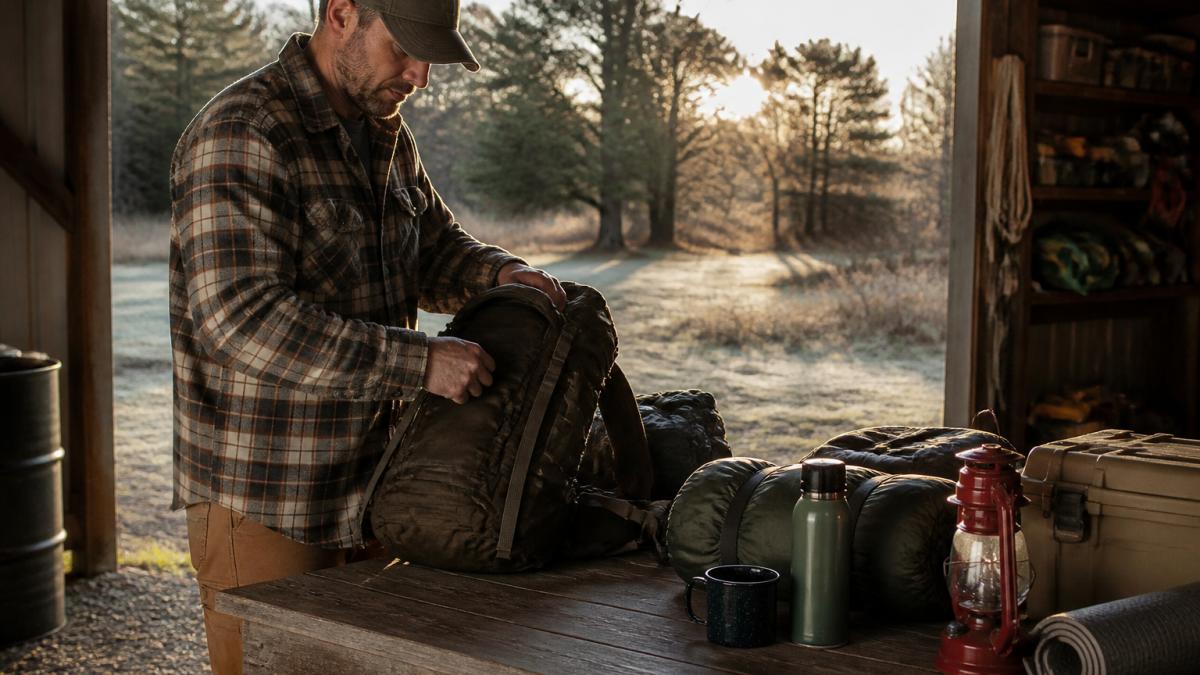
Having the right essentials helps make those experiences more comfortable and enjoyable. A dependable shelter, a comfortable place to sleep, simple cooking supplies, weather-appropriate clothing, and basic safety equipment can make a big difference.
Whether you're planning your family's first camping trip or getting ready for another weekend in the woods, these five essential outdoor gear categories are a practical place to start.
1. A Reliable Tent: Your Best Tent for Family Camping
A dependable tent gives your family a comfortable place to sleep, store belongings, and take shelter from the weather. Whether you're camping for one night or spending a long weekend outdoors, choosing the right tent can make the experience more enjoyable for everyone.
Size and Setup Time
When choosing a family tent, think about how many people will be sleeping inside and how much room you'll need for sleeping bags, pads, and personal belongings.
Tent capacity ratings generally describe how many people can fit inside, not necessarily how comfortably everyone can sleep. For example, a six-person tent may offer a family of four more room to spread out, depending on the tent's layout and the gear they bring.
Setup is another important consideration, especially when camping with younger children. Look for a tent that's manageable to assemble, has clear instructions, and fits the type of camping your family enjoys.
Before buying, consider the tent's packed size, weight, ventilation, weather protection, and available floor space. A tent that's easy to use and fits your family's needs is often more valuable than one with extra features you'll rarely use.

Weather Protection and Ventilation
Weather protection is an important part of choosing a family tent. Rain, wind, changing temperatures, and moisture buildup inside the tent can all affect how comfortable everyone feels overnight.
Look for a tent with a suitable rainfly, weather-resistant construction, and ventilation features such as mesh panels or adjustable vents. Proper airflow can help reduce condensation, although some moisture may still develop depending on the weather and conditions.
Seam construction also matters. Taped or sealed seams can help reduce water entering through stitching, while a properly fitted rainfly provides additional protection during wet weather.
Choose a tent designed for the conditions you expect, follow the manufacturer's setup instructions, and avoid placing it in low areas where rainwater could collect.
2. A Comfortable Camping Sleep System for Families
A good night's sleep can make a big difference in how much your family enjoys camping. When everyone is comfortable and prepared for the overnight temperatures, it's easier to wake up ready for another day outdoors.
A camping sleep system includes more than just a sleeping bag. Sleeping pads, bedding, and weather-appropriate sleepwear all work together to help everyone stay comfortable.
Sleeping Bags and Pads
Choose sleeping bags based on the temperatures you expect during your trip. Pay attention to the manufacturer's comfort rating rather than assuming a sleeping bag labeled 20°F will keep everyone comfortable at that temperature. Individual warmth needs vary, and children may need additional consideration.
Sleeping pads are just as important because they provide insulation between your body and the ground. Look at the pad's insulation rating, often called its R-value, along with its size and comfort.
Inflatable pads can be comfortable and pack down small, while closed-cell foam pads are simple, durable, and don't require inflation. The best choice depends on your camping setup and the conditions you expect.
Bedding and Comfort Layers
Bringing familiar bedding can help make camping feel more comfortable, especially for children who are new to sleeping outdoors.
For older children and adults, a suitable pillow, sleeping bag, and extra blanket can help create a familiar sleeping space. Choose bedding appropriate for the overnight temperature, and make sure it doesn't interfere with the sleeping bag's intended use.
Some families prefer camping cots or air mattresses for added comfort. Keep in mind that elevation and cushioning alone don't guarantee warmth. Depending on the setup, additional insulation may be needed to prevent heat loss underneath.
Before heading out, check the overnight forecast and make sure everyone has a sleep system suited to the expected conditions. For babies and very young children, follow age-appropriate safe-sleep guidance rather than relying on ordinary sleeping bags, pillows, or loose blankets.
3. Camp Kitchen and Cooking Supplies
Some of the best family camping memories happen around a meal. Whether it's pancakes on a cool morning, sandwiches after a hike, or dinner together at the picnic table, camp cooking gives everyone another reason to slow down and enjoy time outdoors.
You don't need an elaborate outdoor kitchen. A few dependable cooking supplies, a simple meal plan, and safe food storage can make feeding the family easier.
Portable Cooking Options
A portable camp stove or outdoor grill can make preparing meals convenient without relying on a campfire. Choose equipment that fits your family size, the meals you plan to prepare, and the cooking facilities available at your campsite.
A two-burner stove can be useful for preparing more than one dish at a time, while a portable grill may work well for meals cooked outdoors. Check the manufacturer's specifications before choosing equipment.
Keep cookware simple. A skillet, pot, cooking utensils, and basic dishes may be enough for many family camping trips. Choose items that are practical to clean, carry, and store.
Always use fuel-burning camp stoves and grills outdoors in accordance with the manufacturer's instructions. Never use them inside tents, vehicles, or enclosed shelters because of fire and carbon monoxide risks. Check campground rules and current fire restrictions before cooking.
Food Storage and Coolers
Keeping food at safe temperatures is an important part of camping, especially during warm weather.
Choose a cooler or portable refrigerator that fits your family's needs and can maintain appropriate food temperatures throughout the trip. Keep perishable foods at 40°F or below, use a food thermometer when needed, and avoid leaving food sitting out for extended periods.
Pack food in sealed containers to reduce spills and keep supplies organized. In areas with wildlife, follow campground or land-management rules for storing food, trash, and scented items. Bear-resistant containers or designated storage lockers may be required in some locations.
Never store food or scented items inside your sleeping tent in bear country. Plan meals ahead, pack only what you need, and give children age-appropriate ways to help prepare and clean up after meals.
4. Weather-Appropriate Clothing and Footwear
Being comfortable outdoors starts with dressing for the conditions. Even during warmer months, mornings and evenings can be cooler than expected, and weather can change throughout a camping trip.
Packing a few practical layers gives everyone options as temperatures and activities change.
A moisture-managing base layer can help keep sweat away from the skin, while a mid-layer provides additional insulation when needed. An outer layer can offer protection from wind or rain, depending on its construction and intended use.
For wet weather, look for a jacket designed for the conditions you expect. Rack & Ridge offers outdoor-inspired options, including the Torrent Waterproof Jacket and Packable Wind & Rain Resistant Anorak Jacket. Check each product's features and care instructions to determine which fits your needs.
Footwear matters too. Choose shoes or boots suited to the terrain and planned activities. Hiking boots may be useful on uneven trails, while comfortable trail shoes may be enough for established campgrounds and shorter walks.
Pack extra socks and appropriate footwear for wet conditions, especially when camping with children. Keeping feet reasonably dry and changing damp socks can help prevent discomfort and blisters.
5. Camping Safety Gear for Families
A little preparation can make family camping safer and more enjoyable. Whether you're staying at an established campground or heading somewhere more remote, having basic safety supplies and knowing how to use them can help you handle unexpected situations.
Keep important supplies organized and easy for adults to access, and make sure everyone knows what to do if they need help.
First Aid and Emergency Essentials
Pack a basic first aid kit with bandages, sterile gauze, wound-cleaning supplies, blister care, and any medications your family may need. Choose age-appropriate supplies and follow medication instructions.
A whistle can be useful for signaling for help, especially if someone becomes separated from the group. Teach children how to use one and establish a simple plan for what they should do if they get lost.
Bring a headlamp or flashlight for each person, along with backup batteries or another dependable power source. A charged phone, emergency contacts, and knowledge of where to get help are also important.
If you're camping in bear country, learn the area's wildlife safety recommendations, food-storage requirements, and rules about bear deterrents before your trip.
Lighting and Navigation
Good lighting helps everyone move around camp after sunset. Headlamps are especially useful because they leave your hands free for cooking, setting up equipment, or walking to campground facilities.
For hiking or camping away from developed areas, bring a suitable map and navigation tools, and know how to use them. Offline maps can be helpful, but don't rely entirely on a phone battery or cell service.
Before exploring, make sure someone knows your planned route and expected return time. Teach children to stay with the group and identify a clear meeting place at camp.
Sun and Insect Protection
Spending time outdoors means preparing for sun exposure, mosquitoes, ticks, and other insects.
Pack appropriate sunscreen, protective clothing, hats, and sunglasses. Follow sunscreen label directions for application and reapplication, especially after swimming or sweating.
Choose insect repellent appropriate for each family member's age and follow the product label. In areas where ticks are common, consider protective clothing and properly treated gear. Permethrin products intended for clothing should be used only as directed and never applied directly to skin.
Check family members for ticks after spending time in wooded or grassy areas, and learn about local insect and wildlife concerns before traveling.
A few simple precautions can help your family spend more time enjoying the outdoors and less time dealing with preventable problems.
Building Your Family Camping Essentials Checklist
A simple checklist keeps you from forgetting essentials. Print it or save it on your phone to check before every trip.
Category |
Essential Item |
Why It Matters |
|---|---|---|
Shelter |
Tent with enough space for your family and gear |
Provides shelter and weather protection |
Sleep System |
Age-appropriate sleeping bags with suitable comfort ratings |
Helps provide warmth in expected conditions |
Sleep System |
Sleeping pads for each person |
Insulation and comfort |
Cooking |
Portable grill or camp stove |
Meals that bring people together |
Cooking |
Cooler or portable refrigerator that maintains safe food temperatures |
Food safety and cold drinks |
Clothing |
Weather-appropriate rain jacket |
Protection suited to expected weather |
Clothing |
Extra layers (synthetic or wool) |
Warmth in cold weather |
Clothing |
Proper footwear + extra socks |
Helps keep feet comfortable and reduce blister risk |
Safety |
First aid kit |
Minor injuries handled quickly |
Safety |
Headlamp or flashlight |
Better visibility after dark |
Safety |
Sunscreen and insect repellent |
Helps reduce sun exposure and insect bites |
These five categories provide a practical starting point for planning a family camping trip. Your complete packing list will depend on the season, campground facilities, children's ages, planned activities, and how far you'll be from services. Once the basics are covered, add the comfort items and activities that make camping enjoyable for your family.
Gear Choices by Age and Budget
Not every family needs the same camping equipment, and not every trip requires a big investment. A weekend at an established campground may call for different supplies than several days camping in a remote area.
The goal is to choose equipment that fits your family's ages, experience, comfort needs, and planned activities.
Camping with Toddlers and Young Children
Camping with younger children takes a little extra planning, especially when it comes to sleeping arrangements, weather, meals, and safety.
For babies and toddlers, choose age-appropriate sleeping arrangements and follow current safe-sleep guidance. Ordinary sleeping bags, loose blankets, and pillows may not be appropriate for very young children. Check the overnight forecast and make sure everyone has suitable protection from the expected temperatures.
Pack familiar foods, snacks, and comfort items that help children feel at home. Keep meals simple and consider everyone's dietary needs and food allergies.
Younger children can participate in camping through age-appropriate activities such as helping organize supplies, exploring nature with an adult, gathering around the campfire at a safe distance, and learning about plants and wildlife.
As children grow, they can gradually take on more responsibilities, such as helping set up camp, organizing equipment, preparing simple meals with adult supervision, and learning basic outdoor skills.
The goal isn't to make camping feel like work. It's to help children enjoy being outdoors and build memories they'll want to repeat.
Budget-Friendly Camping: Buy, Borrow, or Skip
Family camping doesn't have to start with expensive equipment. Before purchasing everything on your packing list, think about what you already own, what you can borrow, and which items are worth investing in.
Start with the essentials. Prioritize dependable shelter, age-appropriate sleeping equipment, safe cooking supplies, suitable clothing, and basic safety gear.
Borrow or rent when practical. If you're trying camping for the first time, borrowing or renting a suitable tent or other equipment can help you learn what your family prefers before buying your own. Inspect borrowed equipment before use.
Spend where comfort and safety matter. Choose sleeping bags and pads appropriate for the expected temperatures, along with shelter and equipment suited to the conditions. Price alone doesn't determine quality or performance.
Use what you already have. Some household items, such as cooking utensils, dishes, and suitable bedding for older children and adults, may work for certain camping trips.
Upgrade gradually. As your family gains experience, you'll discover which equipment makes camping easier and which extras you can live without.
A simple camping setup can still lead to great experiences. What matters most is being prepared, spending time together, and enjoying the outdoors.
Frequently Asked Questions
What are the 5 essential outdoor gear items for family camping?
The five essential categories are dependable shelter, a comfortable and age-appropriate sleep system, camp cooking and food-storage supplies, weather-appropriate clothing and footwear, and basic camping safety equipment. Together, these categories provide a practical starting point for planning a family camping trip. Your complete packing list should also account for drinking water, the weather, campground facilities, children's ages, and planned activities.
How do I build a family camping essentials checklist?
Start with the five main categories: shelter, sleeping, cooking, clothing, and safety. Under each category, list what your family will need based on the season, campsite, trip length, and children's ages. Include drinking water, food, medications, and any special supplies your family requires. Check what you already own, what you can borrow, and what you still need to purchase. Review the list before leaving so important items aren't forgotten.
What's the best tent for family camping with young children?
Look for a family tent with enough sleeping space, good ventilation, dependable weather protection, and a setup process you can manage comfortably. Consider choosing a tent with extra room for clothing and other essentials, especially when camping with younger children. Check that doors and zippers work properly, and follow the manufacturer's instructions for securing the tent with stakes and guy lines when required. Practicing setup at home can make your first family camping trip much easier.
What camping safety gear for families should I never skip?
Pack a first aid kit suited to your family's needs, any required medications, reliable flashlights or headlamps, sunscreen, appropriate insect repellent, and enough safe drinking water. Bring a whistle for signaling, a charged phone, and suitable navigation tools if you'll be exploring away from camp. Make sure children understand basic campsite safety and what to do if they become separated from the group. Before leaving, check the weather, campground rules, and local emergency information. If you're camping in a remote area, let someone know your plans and expected return time.
Should I buy camping gear or borrow it for my first family trip?
Borrowing or renting camping equipment can be a practical way to try family camping before making a large investment. Consider borrowing a suitable tent, cooler, or other major items while purchasing personal supplies such as medications, toiletries, and basic first aid essentials. Inspect borrowed equipment and make sure sleeping gear is appropriate for each person's age and the expected temperatures. After a few trips, you'll have a better idea of which items your family uses most and where investing in your own equipment makes sense.
Family camping doesn't have to be complicated or expensive. Start with the essentials, choose gear that fits your family's needs, and give everyone a chance to enjoy the experience at their own pace.
Years from now, the memories may not be about which tent you brought or how much your equipment cost. They may be about breakfast around the camp table, stories by the fire, the first fish caught from the dock, or a child discovering something new in the woods.
That's what makes getting outdoors together worth the effort.